Auger Attachments for Fast Hole Drilling Applications
Discover how auger attachment uses improve drilling speed, accuracy, and labor efficiency across construction, fencing, landscaping, utilities, and agriculture.
5/23/20267 min read
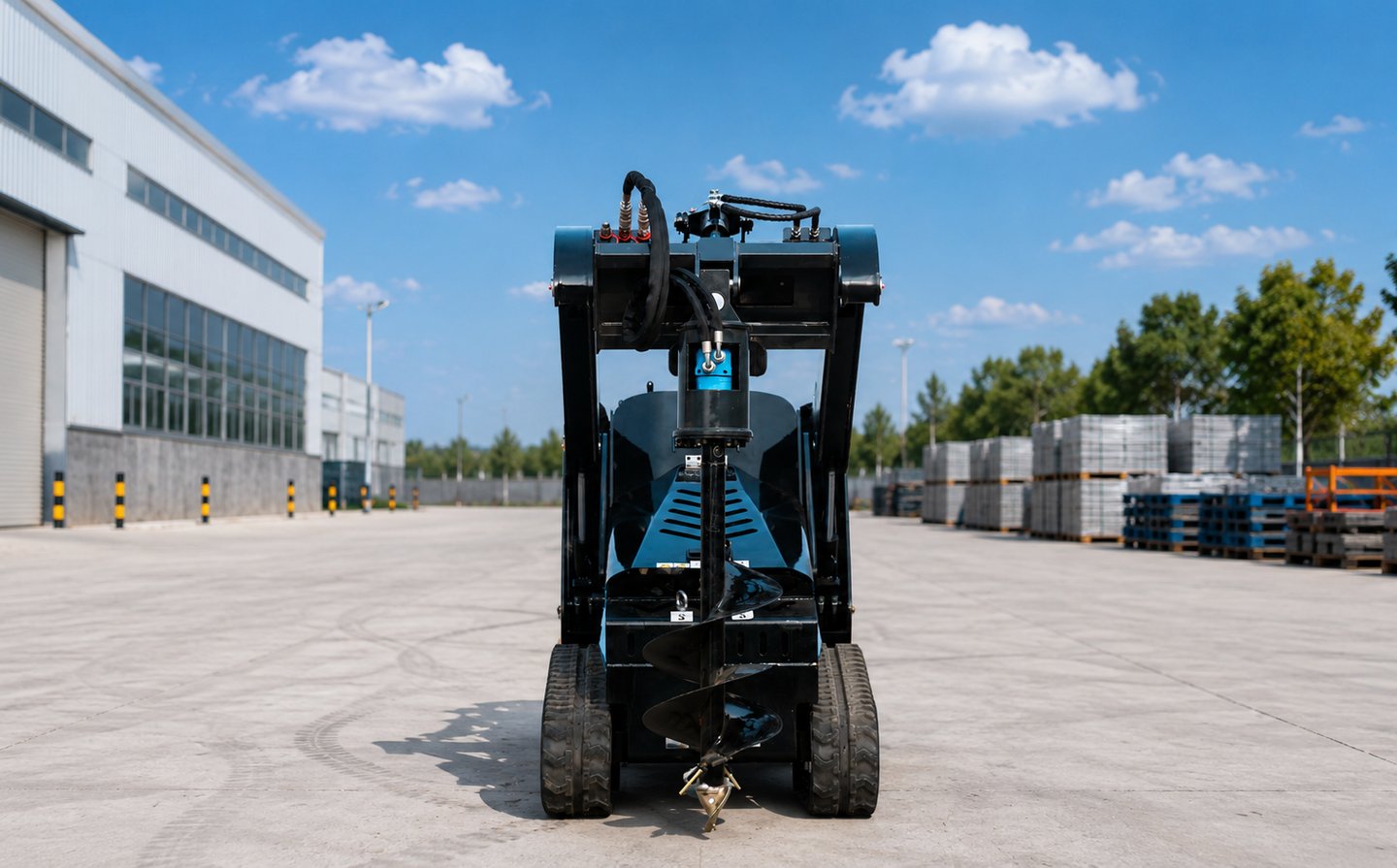
Time is money on any commercial job site, and few tasks slow down progress faster than manual hole digging. Whether your crew is setting fence posts, installing utility poles, preparing footings, or planting large trees, drilling holes by hand drains labor budgets, increases fatigue, and creates costly delays. Heavy equipment attachments solve that problem by turning a standard machine into a fast, accurate drilling system. Among the most valuable tools for this work is the hydraulic auger. Understanding the full range of auger attachment uses helps contractors complete more work in less time while maintaining the precision modern projects demand.
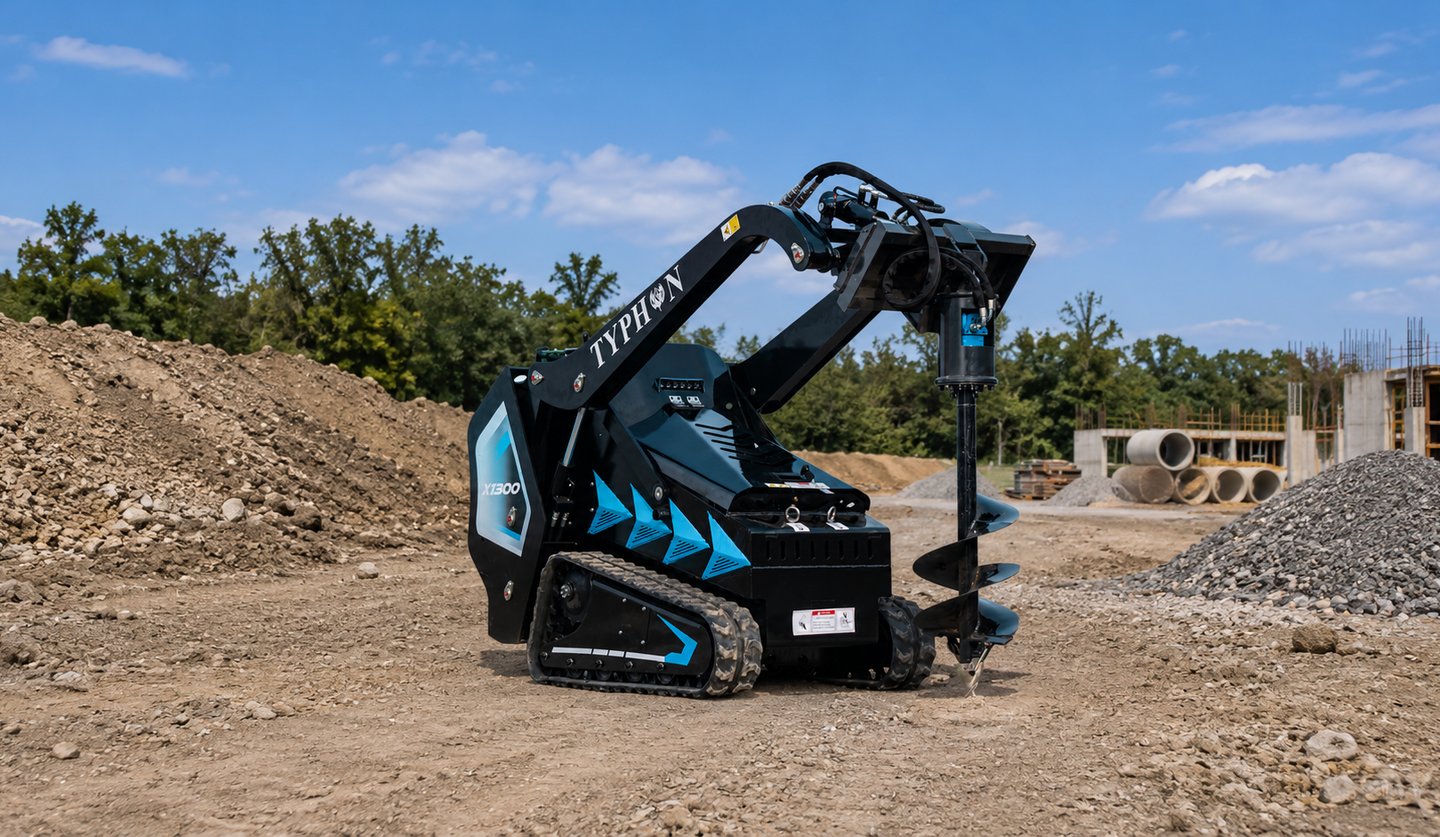
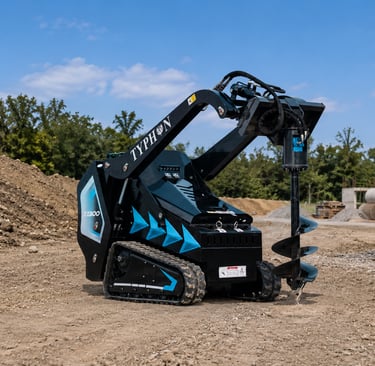
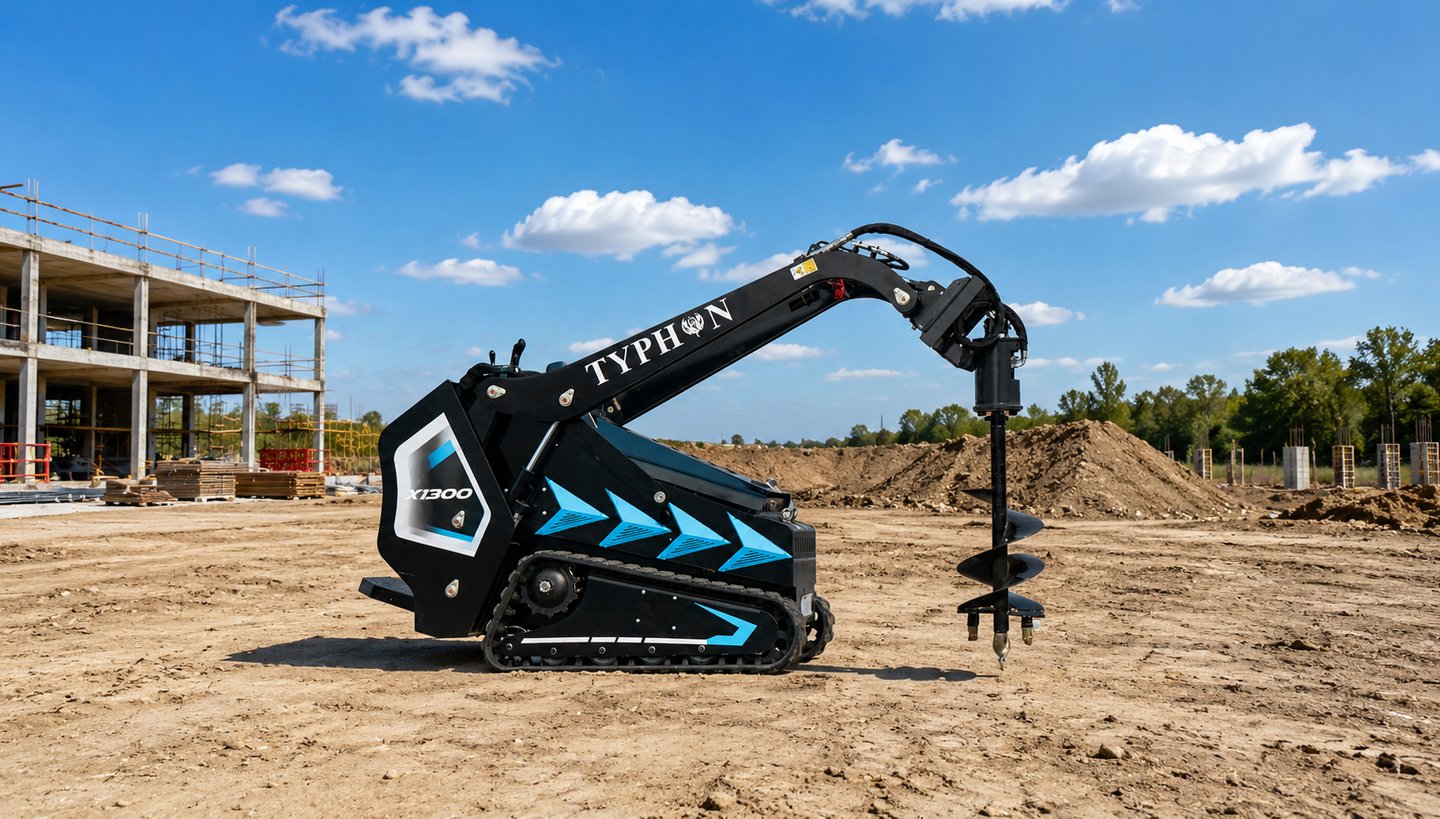
Auger attachments give skid steers, compact track loaders, mini excavators, and other machines the ability to drill clean, consistent holes with far less effort than traditional methods. Instead of relying on shovels, post hole diggers, or oversized excavation equipment, operators can use hydraulic power to cut directly into the ground and remove soil quickly. This creates a more efficient workflow from start to finish. For contractors focused on productivity, reliability, and lower operating costs, auger attachments are more than convenient tools. They are practical assets that improve daily output and strengthen long-term profitability.
Understanding How Auger Attachments Work
An auger attachment uses the auxiliary hydraulic flow from the base machine to power a drive unit that rotates a steel bit into the earth. That rotation generates the torque needed to cut through soil, lift loose material upward, and create a uniform hole with impressive speed. The system sounds simple, but performance depends on careful matching between the machine, the drive unit, and the auger bit itself. When these components work together correctly, operators gain a dependable drilling solution that performs efficiently across a wide range of jobsite conditions.
Hydraulic augers are designed to convert machine power into controlled drilling force. The drive unit must be sized appropriately for the machine’s hydraulic output so it can maintain steady rotation without overheating or stalling. If the attachment is too demanding for the machine, performance suffers and wear increases. If the attachment is well matched, the operator gains smooth drilling action, better control, and consistent results. This is one of the reasons experienced contractors evaluate hydraulic flow, torque requirements, and machine weight before investing in a new auger setup.
Why Attachment Matching Matters
One of the most important factors behind successful auger attachment uses is proper attachment matching. Not every machine delivers the same hydraulic performance, and not every drilling task requires the same bit size or drive power. A light-duty auger may work perfectly for landscaping or residential fencing, while heavier applications such as utility installation or commercial foundation work require a more robust setup. Contractors who take the time to match the attachment to the machine avoid unnecessary downtime and get far better performance in the field.
Bit selection matters just as much as hydraulic compatibility. Standard earth bits are ideal for softer soils such as loam, sand, and light clay. Heavy clay, compacted gravel, frozen ground, and rocky terrain often require specialized bits with different tooth designs and stronger cutting edges. In difficult conditions, rock augers with carbide teeth can make the difference between productive drilling and constant frustration. Matching the bit to the soil profile keeps the drilling process efficient and protects the attachment from avoidable stress.
Speed and Accuracy on Construction Sites
Construction projects depend on accuracy, especially when structural elements must align correctly from the beginning. Contractors use auger attachments to drill holes for deck footings, fence posts, sign bases, guardrails, and foundation piers. In these situations, speed alone is not enough. The hole must also be straight, properly sized, and positioned exactly where the plan requires. Hydraulic augers help deliver that level of control while moving much faster than manual crews.
Because the auger hangs directly from the machine and drills vertically, operators can create uniform holes with greater consistency. This reduces over-digging and limits the need for rework. A cleaner hole also means less wasted concrete and easier placement of posts or structural supports. On busy construction sites where time, materials, and labor all affect the final margin, these advantages add up quickly. Contractors who rely on auger attachment uses for footing and support work often find that drilling becomes one of the most efficient phases of the project rather than one of the slowest.
Supporting Utility and Infrastructure Work
Utility contractors regularly face projects that require drilling in tight schedules and demanding ground conditions. Setting poles, placing anchors, and preparing holes for utility infrastructure all require clean, dependable drilling performance. In many cases, the work must happen in active communities where speed and precision matter equally. A hydraulic auger allows crews to complete these tasks quickly without creating the oversized disturbance that comes with broader excavation methods.
For utility work, accuracy is especially important because placement errors can delay installation and increase labor costs. Auger attachments help crews drill to the required diameter and depth while maintaining better control over spoil removal. This keeps the jobsite cleaner and makes the next phase of installation easier to manage. Contractors handling electrical, communications, or municipal work can use augers to improve workflow, reduce manual strain, and complete more placements per day.
Improving Fencing Efficiency
Fencing is one of the clearest examples of how auger attachment uses translate directly into time savings. Installing large numbers of fence posts by hand is physically demanding and slow. On agricultural properties, ranches, industrial sites, and commercial perimeters, crews may need to drill dozens or even hundreds of holes in a single project. Manual methods make that scale difficult and expensive. A hydraulic auger changes the pace entirely.
With the right machine and bit, an operator can move down the fence line quickly, drill consistent holes, and keep the project moving without exhausting the ground crew. The speed advantage is obvious, but consistency matters just as much. Uniform post depth helps maintain straight fence lines and stronger installations. In agriculture, that can mean better livestock security and faster repairs. For fencing contractors, it means more jobs completed in less time and stronger control over labor costs.
Value for Agriculture and Rural Operations
On farms and rural properties, versatile equipment must handle many different tasks throughout the year. Auger attachments fit naturally into that environment because they support fencing, sign installation, tree planting, and structural work without requiring a dedicated drilling machine. Farmers and rural contractors often need practical tools that can adapt to changing jobs without adding unnecessary equipment costs. An auger attachment provides exactly that kind of flexibility.
Beyond perimeter fencing, agricultural operators can use augers for setting posts for barns, sheds, feeding structures, and gates. The ability to drill quickly through varying soil conditions helps reduce delays during seasonal work windows when timing matters most. When the equipment already on the property can be used for drilling with the right attachment, the operation becomes more efficient and easier to manage. This kind of flexibility is one reason auger attachment uses continue to expand in agricultural work.
Precision for Landscaping and Tree Installation
Professional landscaping requires a different kind of drilling performance. Contractors are not only focused on speed. They also need to protect finished surfaces, minimize disruption, and create clean results that support high-end property work. Auger attachments are well suited to this environment because they remove only the material necessary for the hole, leaving less mess and causing less disturbance to surrounding turf or hardscape.
When planting trees, installing posts for decorative structures, or building retaining wall supports, precise hole placement is essential. A compact machine equipped with an auger can often access residential backyards or narrow commercial spaces where larger machines would be too disruptive. The operator can drill the required hole cleanly, keep spoil contained, and move to the next location with minimal impact. This efficiency supports better scheduling and helps landscaping companies deliver polished results without wasting labor on unnecessary cleanup.
Labor Savings That Strengthen Margins
Labor remains one of the most expensive parts of any project, especially when skilled workers spend time on repetitive manual digging instead of higher-value tasks. One of the biggest advantages of auger attachment uses is the way they reduce labor strain while increasing productivity. A single operator using the right equipment can often accomplish in hours what would take a manual crew much longer to complete. That shift changes the economics of the job.
Instead of assigning multiple workers to dig holes by hand, contractors can keep those employees focused on layout, installation, concrete work, or finishing tasks. This improves the overall workflow and helps jobs move forward without bottlenecks. It also reduces fatigue, which lowers the risk of mistakes and injuries. Over time, these labor savings protect profit margins and make it easier for businesses to scale their work without adding unnecessary payroll pressure.
Reducing Downtime and Expanding Versatility
Another major advantage of auger attachments is their contribution to machine versatility. Contractors already investing in compact equipment want those machines to stay active across as many phases of the job as possible. An auger attachment extends the usefulness of the base machine by adding a specialized drilling function without requiring a separate dedicated asset. This improves return on investment and helps fleets stay lean.
Fast attachment changes also make it easier to move from drilling to other tasks without disrupting the jobsite rhythm. A contractor may use a compact track loader for grading in the morning, switch to an auger for footing holes midday, and return to material handling later in the shift. That kind of flexibility supports better utilization and reduces the need to transport multiple single-purpose machines. For growing businesses, this matters. Every asset needs to justify its place in the fleet, and an auger attachment does that by delivering both speed and adaptability.
Choosing the Right Setup for the Job
Contractors considering an auger system should evaluate more than just bit size. Machine hydraulic flow, weight, lift capacity, expected drilling depth, and soil type all influence performance. A setup that works well for residential landscaping may not be enough for utility or structural applications. Choosing the right combination protects equipment, improves drilling efficiency, and prevents costly downtime caused by mismatched components.
It is also worth considering future workload. If your projects regularly involve different soil profiles or multiple drilling diameters, investing in interchangeable bits and a durable drive unit may provide better long-term value than buying only for your current needs. Businesses that think strategically about their drilling requirements are better positioned to handle varied project types with confidence. That supports both customer satisfaction and consistent operational performance.
Conclusion
Fast, accurate drilling can have a major impact on project timelines, labor efficiency, and equipment value. Auger attachments give contractors a practical way to handle hole drilling applications across construction, utilities, fencing, landscaping, and agriculture with far greater speed and precision than manual methods. When properly matched to the machine and the ground conditions, they improve workflow, reduce fatigue, and help crews stay productive throughout the day.
For companies looking to increase efficiency without overcomplicating their fleet, few tools offer as much practical value as a well-selected auger system. The broad range of auger attachment uses makes this attachment a smart investment for businesses that need reliable drilling performance across multiple job types. By choosing the right setup and applying it strategically, you can lower labor costs, complete projects faster, and strengthen the long-term performance of your equipment operation.
Explore our wide range of mini excavators for sale.
Company
© 2026. New Mini Excavator, All rights reserved.

Privacy Policy | Terms and Conditions
Follow us now
Support
For Inquiries
2522 S Malt Ave. Commerce, CA 90040
United States
Our Location
Tel:
+1-213-214-2203
+1 626-389-2472
Email:
-sales@typhonmachinery.com
-support@typhonmachinery.com