Best Machines for Drainage and Irrigation Work
Discover the best drainage construction equipment for your next project. Learn how mini excavators, trenchers, and backhoes maximize your operational efficiency.
4/28/20266 min read
The most important part of any successful agricultural, commercial, or residential development is good water management. You can't leave the results to chance when you're putting in miles of agricultural irrigation pipe or a complicated storm drain system for a new subdivision. To move water safely and efficiently, you need to be very precise, and that precision needs the right heavy machinery.
If you try to finish these important projects with the wrong tools, you can be sure that your budgets will go over, your deadlines will be missed, and your results will be poor. You need tools that work well, don't disturb the ground too much, and help your crew get the most done each day. We know that your reputation depends on doing a great job on every job site.
This guide lists the best drainage construction tools that are currently available. We will look at the specific benefits of high-quality machines, such as mini excavators, dedicated trenchers, and versatile backhoes. You will greatly improve the efficiency of your project and get a much better return on your equipment investment by learning how to use these specific assets.
The Critical Role of Proper Water Management
Controlling water flow requires a deep understanding of terrain, soil composition, and gravity. A trench dug even slightly off grade will fail to move water effectively, leading to flooded fields or compromised building foundations. Your heavy machinery must provide the precise control necessary to achieve these strict project specifications.
When you invest in high-quality drainage construction equipment, you invest in the long-term success of your client's property. Proper equipment allows your operators to cut clean, accurate trenches while navigating challenging terrain. Delivering this level of reliable performance builds deep trust with your clients and establishes your company as an industry authority.
Top Drainage Construction Equipment for Your Fleet
No single machine can handle every aspect of a complex water management project. You must build a highly capable fleet tailored to the specific demands of trenching, pipe laying, and backfilling. Here are the most effective machines for mastering drainage and irrigation work.
Mini Excavators: Precision and Versatility
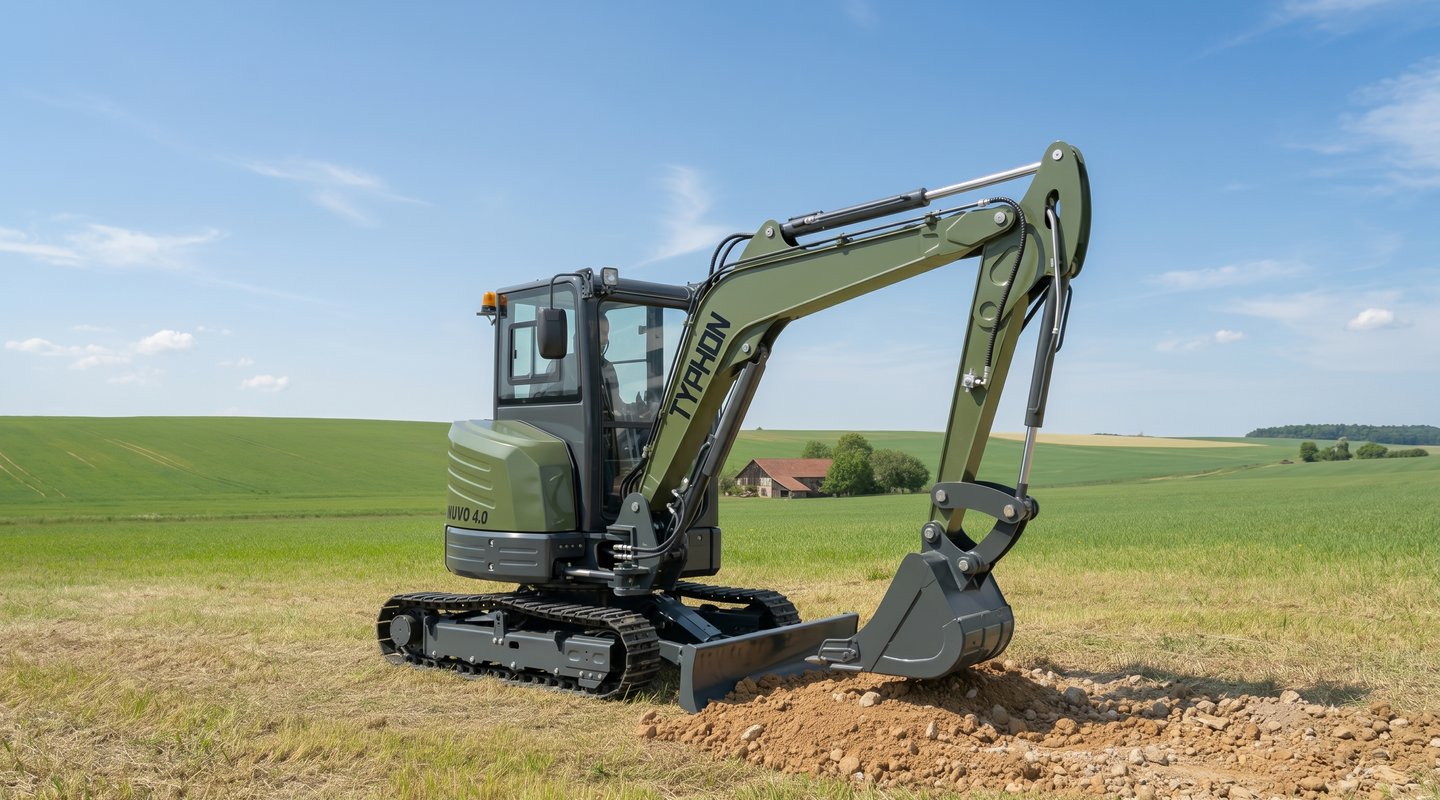
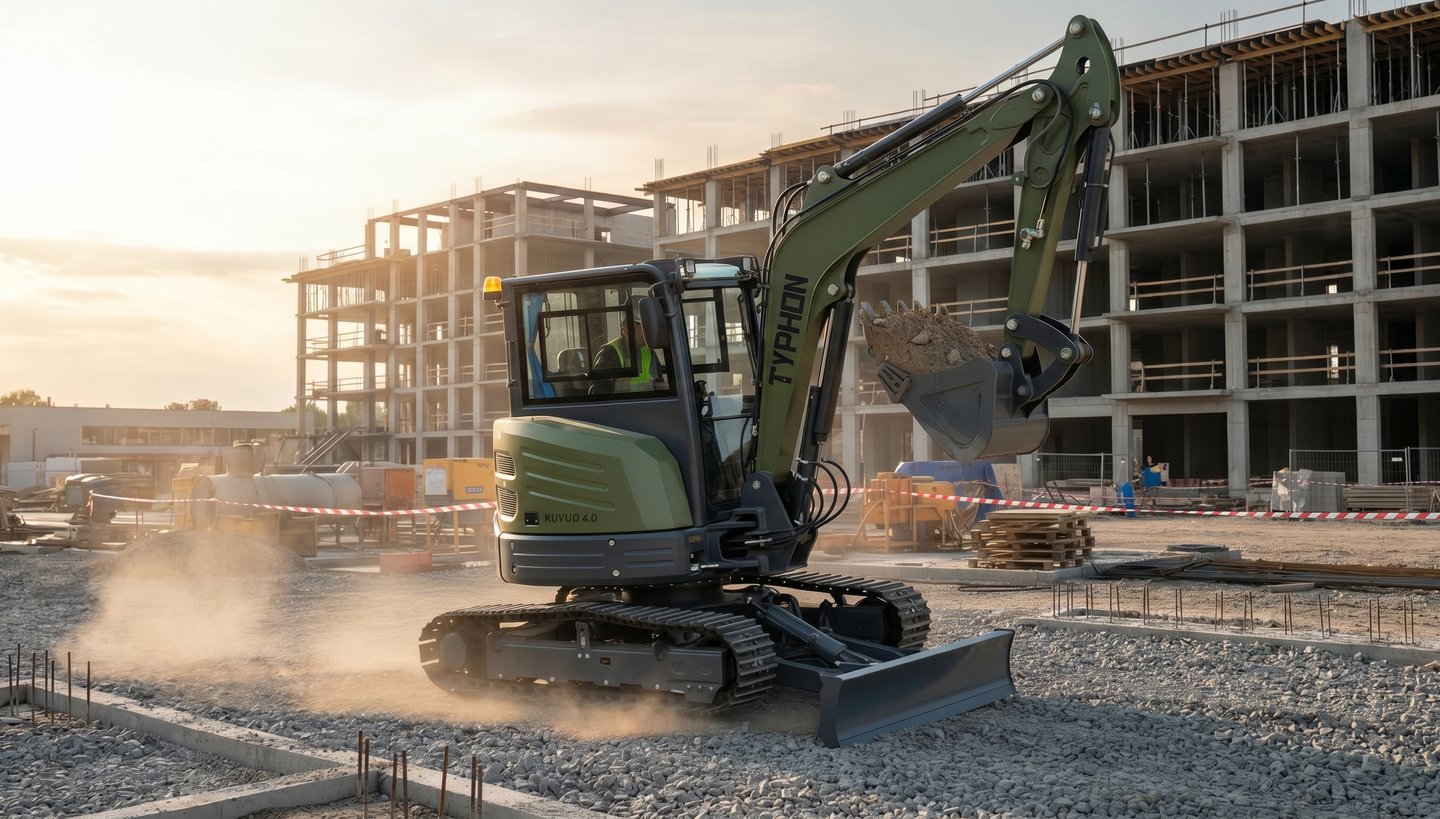
The mini excavator stands as the undisputed champion of modern drainage projects. These compact powerhouses deliver incredible digging force while operating comfortably within incredibly tight confines. Their rubber tracks distribute weight evenly, ensuring your machine does not destroy the surrounding landscape while working.
When working in established residential neighborhoods, a mini excavator allows you to dig precise trenches right next to existing foundations or fences. The operator enjoys a clear line of sight to the bucket, allowing for meticulous grade control. This precision prevents over-digging, saving you massive amounts of time and reducing your daily material costs.
Furthermore, mini excavators offer unparalleled attachment versatility. You can quickly drop a standard digging bucket and attach a specialized grading blade or a compaction wheel. This adaptability makes the mini excavator an essential piece of drainage construction equipment for contractors who demand maximum flexibility.
Trenchers: Speed and Consistency
If your project requires miles of straight, uniform trenches, a dedicated trencher is your most profitable asset. Unlike an excavator that digs one bucket at a time, a trencher uses a continuous chain to slice through the earth. This continuous action allows you to lay irrigation lines at a remarkably fast pace.
Trenchers excel at maintaining a perfectly consistent depth and width over long distances. This uniformity means you extract exactly the right amount of dirt, eliminating the need for manual cleanup at the bottom of the trench. When laying flexible PVC irrigation pipe, a smooth, uniform trench bottom is absolutely critical to prevent future pipe stress and leaks.
You can select between ride-on trenchers for massive agricultural jobs and pedestrian walk-behind models for smaller residential yards. By matching the size of the trencher to your specific project, you ensure your crew operates safely and efficiently. Investing in a high-quality trencher instantly accelerates your production timeline.
Backhoe Loaders: The All-in-One Solution
The backhoe loader remains a staple of the construction industry for one simple reason: unmatched utility. This machine combines the powerful digging capability of an excavator with the heavy material handling of a front-end loader. For municipal drainage repairs or new infrastructure projects, the backhoe loader delivers total operational control.
Your operator can use the rear boom to excavate a deep storm drain trench, lay the concrete pipe, and then immediately spin the seat around to backfill the hole using the front bucket. This two-in-one capability eliminates the need to transport multiple machines to a single job site. You save money on logistics while keeping your active work zone clear of unnecessary equipment.
Because backhoe loaders operate on pneumatic tires, they can drive themselves down local roads between job sites. This mobility makes them the premier choice for utility contractors handling multiple small drainage repairs across a city. You get powerful performance precisely when and where you need it.
Compact Track Loaders with Trenching Attachments
Do not overlook the immense value of a compact track loader (CTL) equipped with specialized attachments. While a CTL primarily functions as a material handler, it transforms into a highly capable trenching machine with the right tools. Its tracked undercarriage provides exceptional traction in muddy, wet conditions often found on drainage sites.
By connecting a hydraulic trencher attachment to the front of a CTL, you empower your operator to cut irrigation lines quickly and safely. Once the pipe is laid, the operator can detach the trencher, connect a grading bucket, and swiftly backfill the trench. This operational flexibility allows a single machine to handle the entire lifecycle of a small irrigation project.
Key Features to Look for in Drainage Equipment
Selecting the right drainage construction equipment requires more than just choosing a machine type. You must evaluate the specific mechanical features that dictate how the equipment will perform in wet, challenging environments. We strongly advise focusing on these critical specifications.
Hydraulic Power and Attachment Compatibility
Your machine is only as capable as its hydraulic system. Trenching attachments, compaction wheels, and hydraulic thumbs require significant fluid flow to operate efficiently. When evaluating new equipment, you must prioritize high-flow hydraulic capabilities.
Ensure the machine utilizes universal quick-attach couplers. This standardization allows you to swap attachments seamlessly on the job site without requiring specialized tools. Maximizing your hydraulic power and attachment compatibility guarantees your machine can adapt to any unexpected challenge your crew encounters.
Track vs. Wheel Configurations for Wet Environments
Drainage and irrigation projects inherently involve water, mud, and soft terrain. Choosing the right undercarriage is vital for maintaining traction and preventing your machinery from getting stuck. You must analyze your typical job site conditions before making a purchase.
Tracked machines, like mini excavators and CTLs, offer superior flotation on soft mud. The tracks spread the machine's weight over a larger surface area, preventing deep ruts and ground damage. If your crew frequently works in pristine agricultural fields or manicured golf courses, tracked equipment is an absolute necessity.
Conversely, wheeled machines like backhoes and skid steers maneuver much faster on hard surfaces like concrete and asphalt. If your primary focus involves urban municipal drainage, wheeled equipment provides the speed and mobility required to navigate busy streets. Match your undercarriage entirely to your environment.
Maximizing Project Efficiency and ROI
Investing in specialized drainage construction equipment directly protects your company's profitability. When you deploy the correct machine for the task, you eliminate the friction that causes project delays. Your crew works safer, faster, and with greater confidence.
Efficient machinery drastically lowers your daily fuel consumption and reduces the physical strain on your operators. A trencher that cuts a perfect line in one pass eliminates hours of manual shovel work. This reduction in labor costs allows you to submit highly competitive bids while maintaining exceptionally strong profit margins.
Treat your machinery as a dynamic extension of your workforce. Implement strict preventative maintenance schedules to ensure your trenchers and excavators perform flawlessly during peak seasons. By protecting your equipment, you guarantee reliable, high-quality results for your clients year after year.
Conclusion
Mastering water management requires absolute operational precision and unwavering mechanical reliability. You cannot achieve flawless results without deploying the right heavy machinery. By understanding the unique strengths of mini excavators, trenchers, and backhoe loaders, you can build a highly capable, highly profitable construction fleet.
Focus on acquiring versatile drainage construction equipment that perfectly matches your specific project demands. Prioritize high-flow hydraulics, evaluate your undercarriage needs, and always match the machine to the environment. When you empower your crew with the best tools available, you ensure your company delivers exceptional value, secures lasting client trust, and dominates the local market. Take the time to evaluate your current fleet today, and start planning your next strategic equipment upgrade.
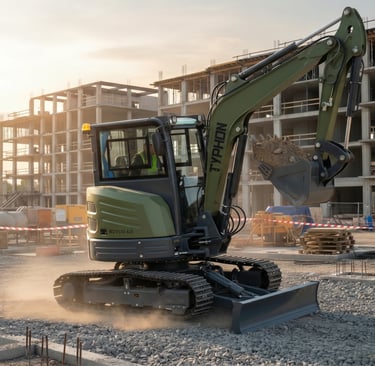
Explore our wide range of mini excavators for sale.
Company
© 2026. New Mini Excavator, All rights reserved.
Privacy Policy | Terms and Conditions
Follow us now
Support
For Inquiries
2522 S Malt Ave. Commerce, CA 90040
United States
Our Location
Tel:
+1-213-214-2203
+1 626-389-2472
Email:
-sales@typhonmachinery.com
-support@typhonmachinery.com