
Construction Equipment Maintenance Guide for Maximum Performance
Maximize performance and reduce equipment downtime with our construction equipment maintenance guide. Discover essential heavy equipment maintenance tips here.
4/6/20266 min read
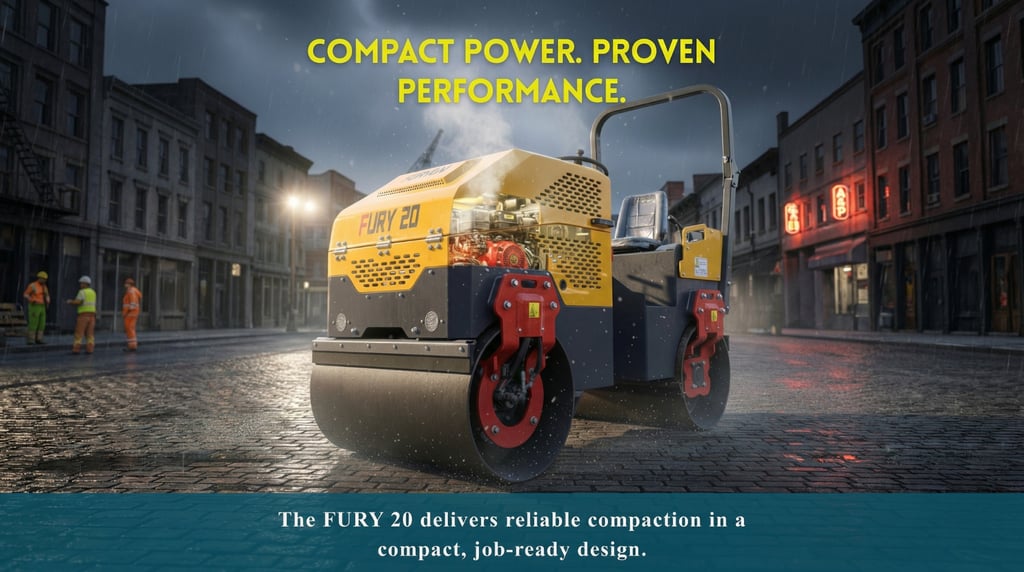

Heavy machinery represents a massive capital investment for any professional contracting business. You rely on these powerful machines to move massive volumes of earth, lift heavy materials, and keep your projects strictly on schedule. When a critical excavator or wheel loader breaks down mid-shift, your entire operation grinds to a highly expensive halt. You need a proactive strategy to protect your fleet and secure your profit margins.
This comprehensive construction equipment maintenance guide provides the exact blueprint you need to keep your fleet running smoothly. We will explore the vital importance of preventative care and break down the specific daily, weekly, and monthly inspections your crew must perform. You will discover expert heavy equipment maintenance tips specifically designed to protect your hydraulic systems and diesel engines.
By implementing these professional protocols, you will drastically reduce equipment downtime and ensure your machinery delivers peak performance for years to come. We will also answer common questions to help you master your daily operational routines.
The Absolute Importance of Construction Equipment Maintenance
Skipping routine service intervals might save you a few hours of labor in the short term, but it guarantees catastrophic mechanical failures down the road. Construction equipment maintenance acts as your primary insurance policy against unexpected job site delays. A well-maintained machine operates with maximum efficiency, burns less fuel, and retains a much higher resale value when you eventually upgrade your fleet.
Furthermore, strict maintenance protocols directly protect the physical safety of your crew. A blown hydraulic hose or a failed brake system can easily cause severe injuries on an active construction site. When you prioritize equipment health, you demonstrate a clear commitment to professional excellence and job site security.
You must treat your heavy iron with respect and demand that your operators do the same.
Establishing Daily, Weekly, and Monthly Checks
Consistency forms the absolute foundation of any successful maintenance program. You cannot rely on memory or guesswork to keep track of your fleet's critical service needs. Implementing a rigid schedule of inspections ensures that minor wear and tear never escalates into a massive mechanical failure.
Daily Walkaround Inspections
Your operators must conduct a thorough visual inspection of their machine before they ever turn the ignition key. They need to check the ground underneath the equipment for fresh puddles of oil or coolant. Catching a weeping hose or a loose fitting early prevents severe fluid loss during a heavy digging shift. Operators must also verify the engine oil level and inspect the rubber tracks or tires for deep cuts.
Greasing the machine serves as the most critical daily task for any heavy equipment operator. The heavy steel pivot pins that connect the boom and bucket endure immense friction during every single movement. Pumping fresh grease into these joints every morning pushes out abrasive dirt and prevents the steel components from wearing out prematurely.
Weekly Fluid and Filter Assessments
Once a week, your maintenance team needs to look deeper into the machine's essential operating systems. You must inspect the main engine air filter for heavy dust accumulation. A clogged air filter starves the diesel engine of oxygen, which forces it to work harder and severely reduces its overall fuel efficiency.
You should also check the tension of the serpentine belt and inspect the hydraulic fluid sight glass. Operating a machine with low hydraulic fluid introduces air into the main pump, causing massive internal damage. Ensure all safety lights, backup alarms, and cabin controls function perfectly before sending the machine back onto the job site.
Comprehensive Monthly Evaluations
Monthly maintenance requires a highly detailed audit of the machine's overall structural integrity. You must inspect the undercarriage of your tracked machines carefully, looking for worn sprockets or damaged bottom rollers. Operating with a compromised undercarriage drastically reduces the machine's pushing power and accelerates track wear.
Take time to review the machine's digital diagnostic codes using your modern fleet management software. Address any minor sensor warnings or electrical faults before they disable the machine entirely. You should also draw engine and hydraulic fluid samples to send to a professional laboratory for wear metal analysis.
Expert Hydraulic System Care
The hydraulic system serves as the physical muscle of your heavy machinery. Without clean, pressurized fluid, your excavator cannot lift a single bucket of dirt. Protecting this complex system requires strict discipline and a deep understanding of basic fluid dynamics. Microscopic dirt particles and water contamination represent the absolute greatest threats to your hydraulic pumps and valves.
You must wipe down every hydraulic coupler with a clean, lint-free cloth before attaching a new tool to your machine. Forcing a dirty hose fitting into the machine injects raw grit directly into the pristine fluid. This abrasive dirt scores the internal walls of the hydraulic cylinders, leading to a permanent loss of lifting power and operating speed.
Additionally, you must strictly follow the manufacturer's recommended intervals for replacing the main hydraulic filters. As hydraulic fluid ages, it naturally breaks down and loses its protective viscosity under extreme heat. Changing the fluid and filters on schedule ensures your machine always delivers smooth, highly responsive power to the attachment.
Essential Engine Maintenance Protocols
Modern diesel engines deliver incredible torque, but they require exceptionally clean fuel and air to function correctly. You must drain the water separator daily to prevent moisture from reaching the high-pressure fuel injectors. Water inside the combustion chamber causes severe internal corrosion and guarantees a highly expensive engine rebuild.
You must also pay close attention to the machine's heavy-duty cooling system. Heavy equipment operates in intensely dusty environments, which quickly clogs the exterior cooling fins of the radiator. Your operators must blow out the radiator with compressed air frequently to ensure the engine block receives adequate airflow to prevent catastrophic overheating.
Adhering strictly to your scheduled engine oil changes remains non-negotiable for professional contractors. Engine oil collects abrasive soot and microscopic metal shavings as it circulates through the heavy iron block. Draining this contaminated oil and installing a fresh, high-quality filter protects the internal bearings and maximizes the lifespan of your diesel engine.
Proven Strategies to Reduce Equipment Downtime
You reduce equipment downtime by transitioning from a reactive mindset to a highly proactive fleet management strategy. Waiting for a machine to break before you order replacement parts completely destroys your project timeline. You must stock essential wear items, such as hydraulic hoses, fan belts, and primary filters, directly in your shop or service truck.
Partnering closely with a reputable, local equipment dealer provides a massive advantage for your contracting business. A strong relationship ensures you receive priority service when a highly complex mechanical issue arises. Your dealer can quickly dispatch a factory-trained technician to your job site, getting your machine back into the dirt as fast as possible.
Finally, you must invest heavily in professional operator training to protect your machinery. An aggressive, inexperienced operator will tear apart a brand-new machine in a matter of weeks by pushing it past its physical limits. Teaching your crew how to operate smoothly serves as the ultimate preventative maintenance strategy.
Frequently Asked Questions About Heavy Equipment Maintenance
We understand that managing a heavy equipment fleet generates important technical questions. Providing clear, authoritative answers helps you secure the maximum return on your massive capital investments. Here are direct answers to the most common questions regarding heavy equipment maintenance.
What is the most common cause of hydraulic system failure?
Fluid contamination serves as the leading cause of massive hydraulic failure on modern job sites. Introducing dirt, water, or the wrong type of hydraulic oil into the system destroys the internal seals and scores the pump housing. Strict cleanliness and timely filter replacements easily prevent these highly expensive breakdowns.
How often should I grease my construction equipment?
You must grease the primary pivot points of your digging equipment every single day. Machines operating in highly abrasive environments, such as deep mud or extreme dust, may require greasing twice a day. Consistent lubrication flushes out abrasive contaminants and protects the heavy steel pins from catastrophic wear.
How do I track my fleet's maintenance schedule effectively?
You should utilize modern telematics software to track the exact engine hours of every machine in your fleet. These digital systems send automatic alerts to your phone or computer when a machine approaches a critical service interval. This technology eliminates guesswork and ensures you never miss a mandatory oil change or safety inspection.
Taking Action to Protect Your Fleet
Implementing a rigorous construction equipment maintenance program transforms your contracting business from the ground up. By enforcing daily walkaround inspections and protecting your vital hydraulic systems, you eliminate the massive stress of unexpected mechanical failures. You empower your crew to work with total professional confidence, knowing their machinery will perform flawlessly under heavy strain.
Take time this week to review your current fleet maintenance logs and identify any missed service intervals. Work closely with your operators to establish a strict, non-negotiable daily greasing and inspection routine. When you prioritize the health of your heavy iron, you drastically reduce equipment downtime and secure the long-term profitability of your entire operation.
Conclusion
A proactive construction equipment maintenance program is essential for maximizing performance, reducing downtime, and protecting your business's profitability. By enforcing daily inspections, adhering to strict service intervals, and prioritizing the health of critical systems like hydraulics and diesel engines, you can prevent costly breakdowns and ensure your machinery operates at peak efficiency.
Investing in operator training, maintaining a stock of essential parts, and leveraging modern telematics software further enhances your ability to manage your fleet effectively. Take the time to review your maintenance practices and implement these proven strategies to safeguard your equipment, improve job site safety, and secure the long-term success of your contracting business.


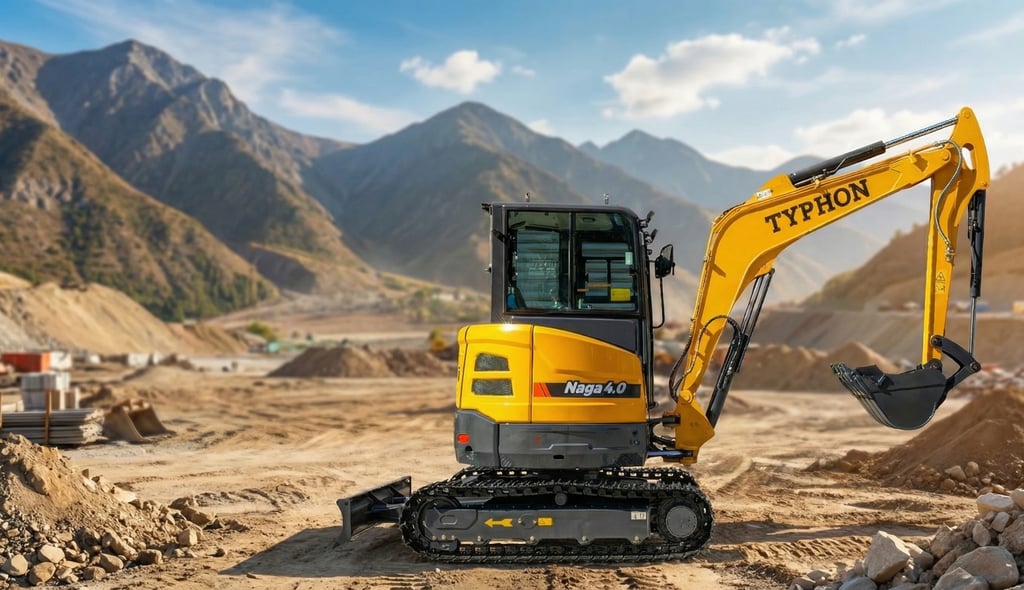
Explore our wide range of mini excavators for sale.
Company
© 2026. New Mini Excavator, All rights reserved.

Privacy Policy | Terms and Conditions
Follow us now
Support
For Inquiries
2522 S Malt Ave. Commerce, CA 90040
United States
Our Location
Tel:
+1-213-214-2203
+1 626-389-2472
Email:
-sales@typhonmachinery.com
-support@typhonmachinery.com