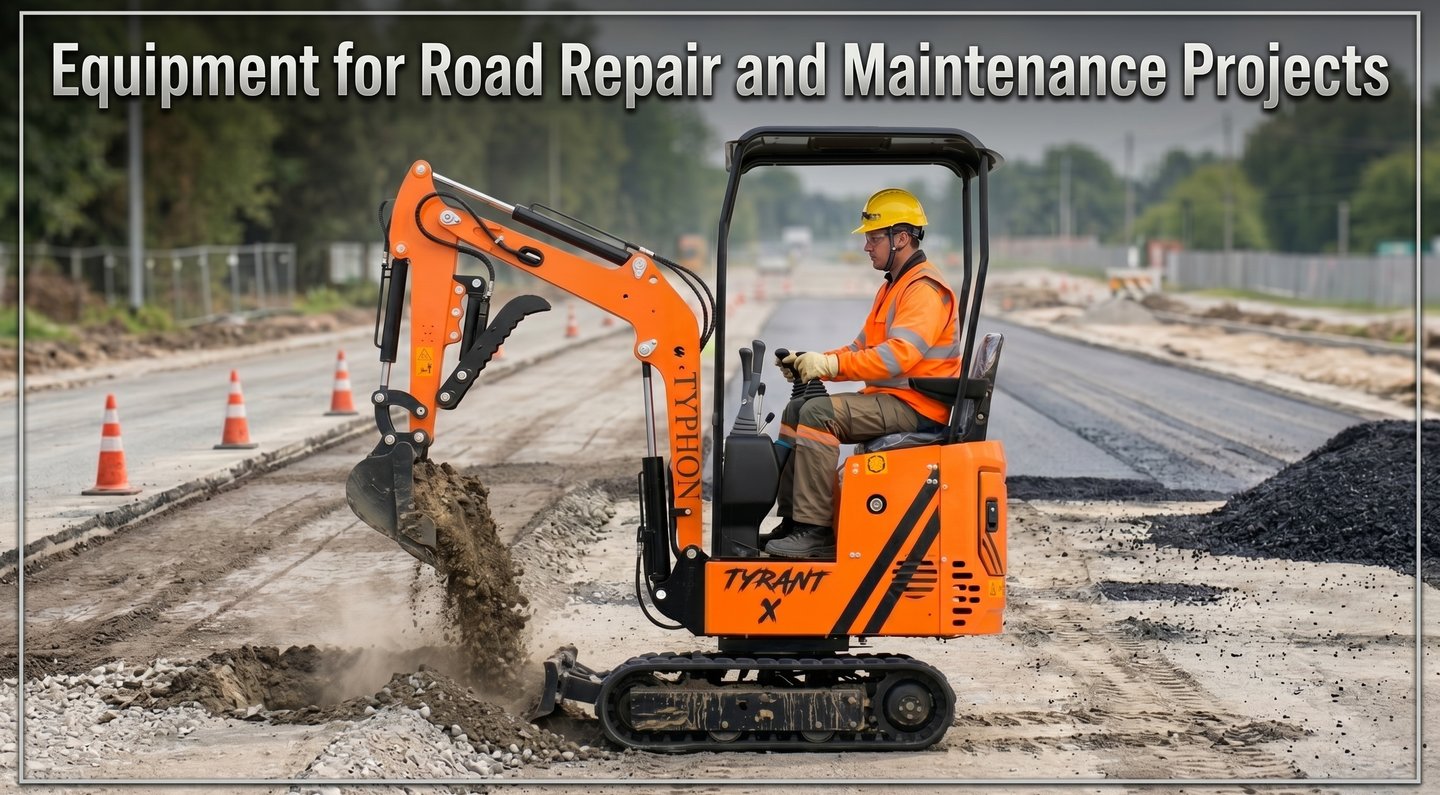
Equipment for Road Repair and Maintenance Projects
Discover the essential road maintenance equipment needed for lasting repairs. Learn how rollers and compactors ensure high-quality, profitable results.
4/18/20266 min read
Every successful paving contractor understands that infrastructure demands perfection. When you repair a municipal highway or patch a commercial parking lot, your clients expect a smooth, durable surface that withstands heavy traffic and harsh weather. Achieving these flawless results requires more than just skilled labor and high-quality asphalt. You need the exact right machinery for the job.
Our guide breaks down the essential road maintenance equipment you need to secure long-lasting repairs. We will explore the specific roles of heavy-duty rollers, agile compactors, and specialized surface preparation tools. By understanding how each machine contributes to the overall stability of the pavement, you can make informed purchasing decisions that elevate your project quality and protect your hard-earned reputation.
Securing Structural Integrity from the Ground Up
Roadway failures rarely start at the surface layer. Potholes, spiderweb cracking, and severe rutting almost always stem from a compromised sub-base. When you fail to achieve proper density beneath the asphalt, the heavy weight of commercial traffic inevitably crushes the pavement structure. Securing this critical density requires highly specialized road maintenance equipment designed to force air voids out of the soil and aggregate.
We know that your clients trust you to deliver permanent solutions, not temporary patches. Delivering on that promise means investing in machinery that guarantees absolute structural integrity. If you equip your crew with underpowered or incorrect tools, you risk expensive callbacks and severely damage your professional credibility. Let us examine the specific machines that form the backbone of a highly capable paving fleet.
Heavy-Duty Rollers for Asphalt and Base Layers
Road rollers represent the most visible and vital components of your paving operations. These massive machines apply a precise combination of static weight and dynamic vibration to compact both the foundational dirt and the final hot-mix asphalt. Choosing the correct roller directly dictates the smoothness and longevity of your finished product.
Single Drum Vibratory Rollers
Before your crew pours a single drop of asphalt, you must prepare the foundation. Single drum vibratory rollers excel at this exact task. These machines feature a heavy steel drum in the front and rugged pneumatic tires in the rear. They provide the massive compaction force required to stabilize granular soils, crushed stone, and heavy gravel bases.
The internal vibratory system sends rapid shockwaves deep into the ground. This vibration causes the underlying aggregate particles to instantly rearrange into their most dense configuration. When you build a solid, unyielding base with a single drum roller, you ensure the subsequent asphalt layers have a rigid foundation to rest upon.
Tandem Vibratory Rollers
Once the base is perfectly prepped and the asphalt paver lays down the hot mix, the tandem vibratory roller takes over. These machines feature smooth steel drums on both the front and rear axles. They serve as the primary road maintenance equipment for pressing the hot asphalt into a dense, watertight surface.
Tandem rollers compress the asphalt matrix, locking the aggregate and bitumen tightly together. The dual drums ensure a perfectly even distribution of weight, preventing unsightly ruts or ripples in the fresh pavement. Operators must perfectly time their passes while the asphalt remains at the optimal temperature to achieve the precise density required by municipal inspectors.
Pneumatic Tire Rollers
While steel drums provide immense heavy compaction, pneumatic tire rollers deliver a uniquely necessary finishing touch. Instead of solid steel, these machines utilize multiple rows of heavy-duty rubber tires. The flexible tires knead the asphalt exactly like a baker kneading bread dough.
This distinct kneading action draws the liquid asphalt binder directly to the surface. It completely seals the microscopic surface voids, preventing water from seeping down into the base layers. We highly recommend utilizing pneumatic rollers on large municipal projects to ensure maximum weather resistance and a deeply sealed, durable finish.
Compactors for Precision Repairs and Tight Spaces
Massive ride-on rollers work perfectly for open highways and large commercial parking lots. However, routine road repair frequently involves tight spaces, narrow utility trenches, and localized pothole patching. You cannot fit a massive tandem roller into a three-foot trench. For these precise tasks, you must rely on agile, walk-behind compactors.
Vibratory Plate Compactors
Vibratory plate compactors serve as the absolute workhorses for small-scale asphalt repair and granular base compaction. These machines feature a heavy steel base plate powered by a high-speed engine. The engine generates rapid, intense vibrations that drive the plate forcefully into the ground.
When your crew cuts out a localized pothole, they use a plate compactor to secure the new gravel base. Once they shovel the fresh hot mix into the hole, the plate compactor neatly levels and seals the patch. Investing in reliable plate compactors ensures your crew can quickly and effectively manage dozens of small repairs across a municipal contract without sacrificing material density.
Upright Rammers for Trench Work
Utility repairs often require contractors to dig deep, narrow trenches directly through existing roadways. When you backfill these deep trenches, a standard plate compactor cannot deliver enough downward force to reach the bottom layers of dirt. If you fail to compact this backfill properly, the trench will eventually settle, creating a dangerous dip in the roadway.
Upright rammers, often called jumping jacks, solve this exact problem. These specialized machines deliver highly concentrated, massive impact blows to a very small surface area. The intense striking force compacts cohesive soils and heavy clays deep inside the trench. Rammers guarantee that your utility repairs remain permanently flush with the surrounding pavement.
Milling Machines and Surface Preparation
High-quality road maintenance equipment involves much more than just compacting materials. You must also efficiently remove failing infrastructure before you can lay down new pavement. Laying fresh hot mix directly over heavily damaged, crumbling asphalt guarantees immediate failure.
Cold Planers and Asphalt Milling
Cold planers, or milling machines, safely and efficiently strip away the top layers of damaged roadway. These machines feature massive rotating drums covered in heavy-duty carbide cutting teeth. As the machine advances, the drum grinds the old asphalt into small, manageable chunks that are immediately conveyed into a waiting dump truck.
Milling allows your crew to precisely control the depth of the repair. You can remove exactly two inches of oxidized, cracked surface material while leaving the solid underlying base completely intact. This precision saves your clients significant money on materials and drastically accelerates your overall project timeline.
Sweepers and Surface Cleaning
Once the milling machine finishes its passes, you must completely clean the exposed surface. If you spray your tack coat over a layer of loose dust and milling debris, the new asphalt will never bond properly to the old surface. The layers will eventually separate, leading to massive sheets of peeling pavement.
Mechanical brooms and specialized street sweepers serve as critical road maintenance equipment. They forcefully scrub the milled surface, vacuuming up every trace of dust, dirt, and loose aggregate. Providing a pristine, deeply cleaned surface guarantees absolute adhesion and ensures your repairs last for decades.
Maintaining Your Road Repair Fleet
We understand that your machinery represents a massive capital investment. To ensure you continuously deliver top-tier results for your clients, you must keep this equipment in peak mechanical condition. Road repair forces your machines to operate in incredibly harsh, abrasive environments filled with heavy dust, sticky liquid asphalt, and extreme heat.
Implement a strict daily cleaning protocol for all your rollers and compactors. Your crew must aggressively clean the steel drums and base plates to prevent asphalt buildup. If hardened asphalt accumulates on a roller drum, it will instantly scar the fresh pavement on your next project, completely ruining the smooth finish.
Furthermore, strictly follow the manufacturer's guidelines for engine maintenance, hydraulic fluid replacements, and grease intervals. A well-maintained fleet breaks down less often, keeping your projects firmly on schedule. Your clients rely on your professionalism, and arriving on-site with clean, perfectly functioning machinery heavily reinforces their trust in your company.
Conclusion
Delivering flawless infrastructure repairs requires absolute precision and unwavering dedication to quality. You now understand the critical roles that specific road maintenance equipment plays in achieving permanent, highly durable results. From massive tandem rollers securing the final finish to agile upright rammers packing deep utility trenches, every machine serves a vital purpose.
Take the time to evaluate your current heavy equipment fleet. Ensure you have the exact rollers, compactors, and milling machines required to execute your upcoming contracts flawlessly. When you equip your hard-working crew with reliable, highly capable machinery, you guarantee exceptional results that keep your clients fully satisfied and your business highly profitable.
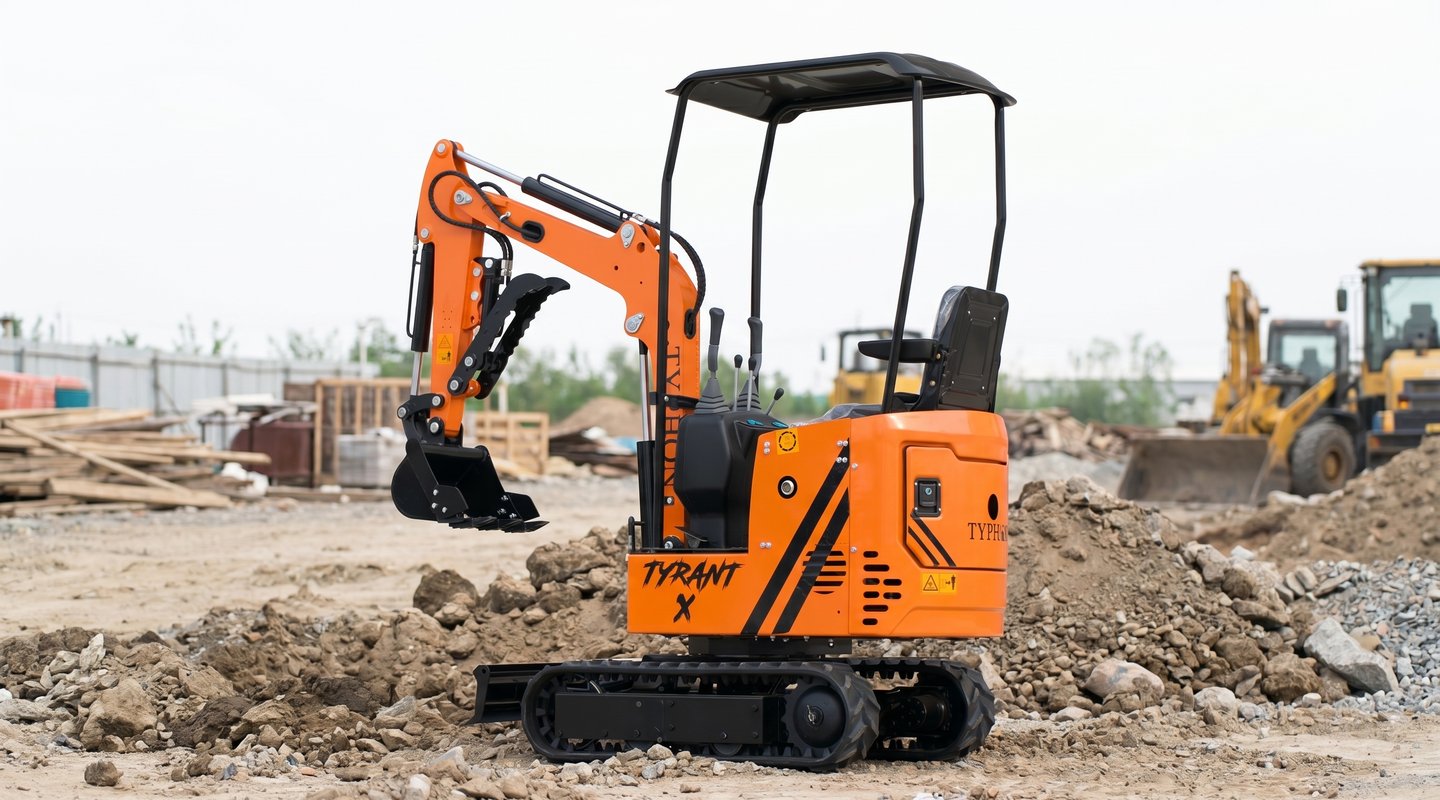
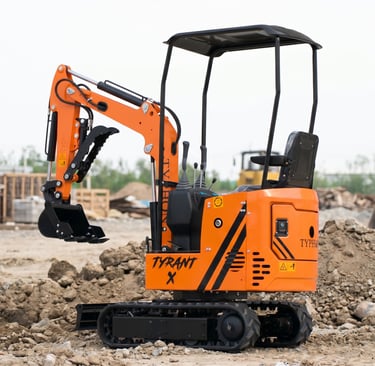
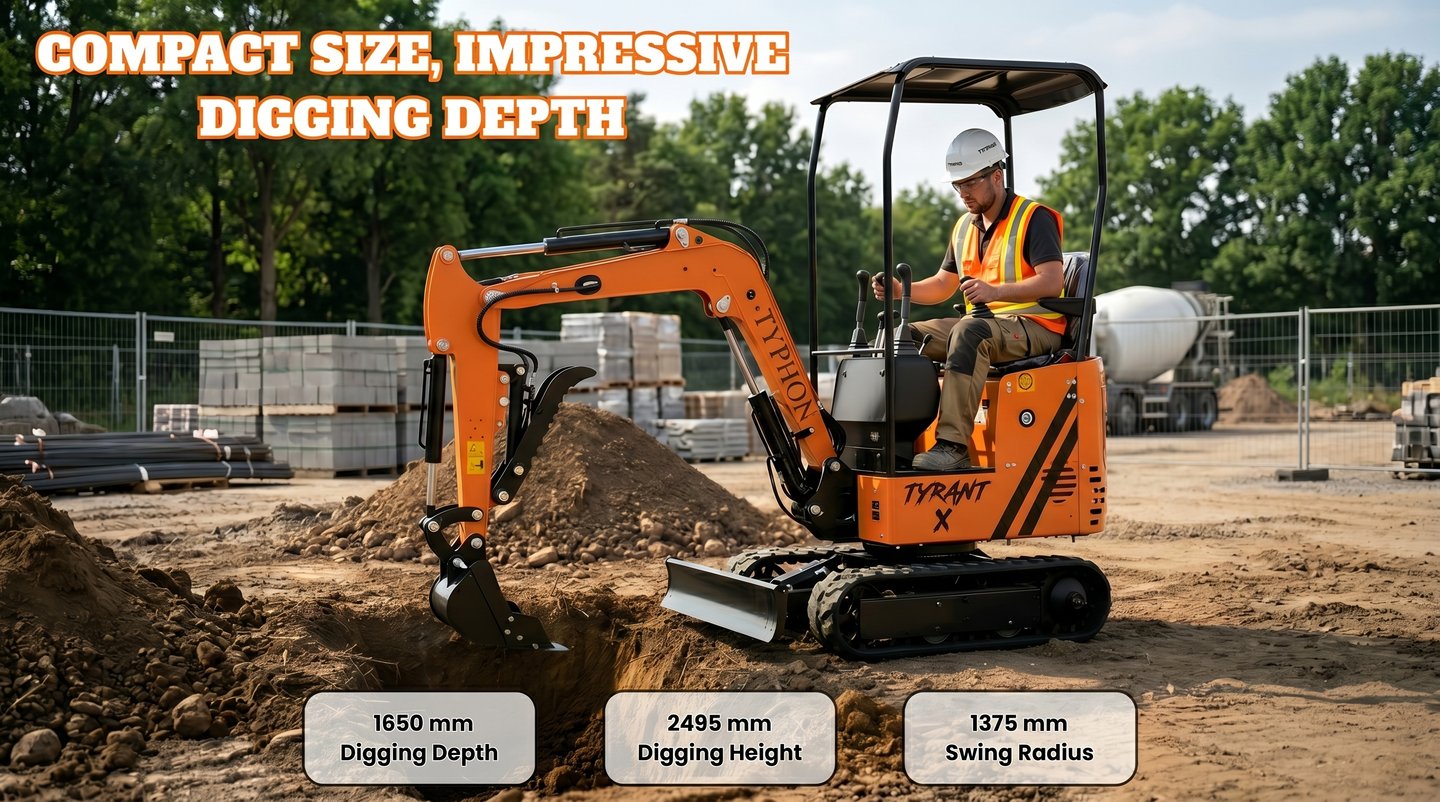
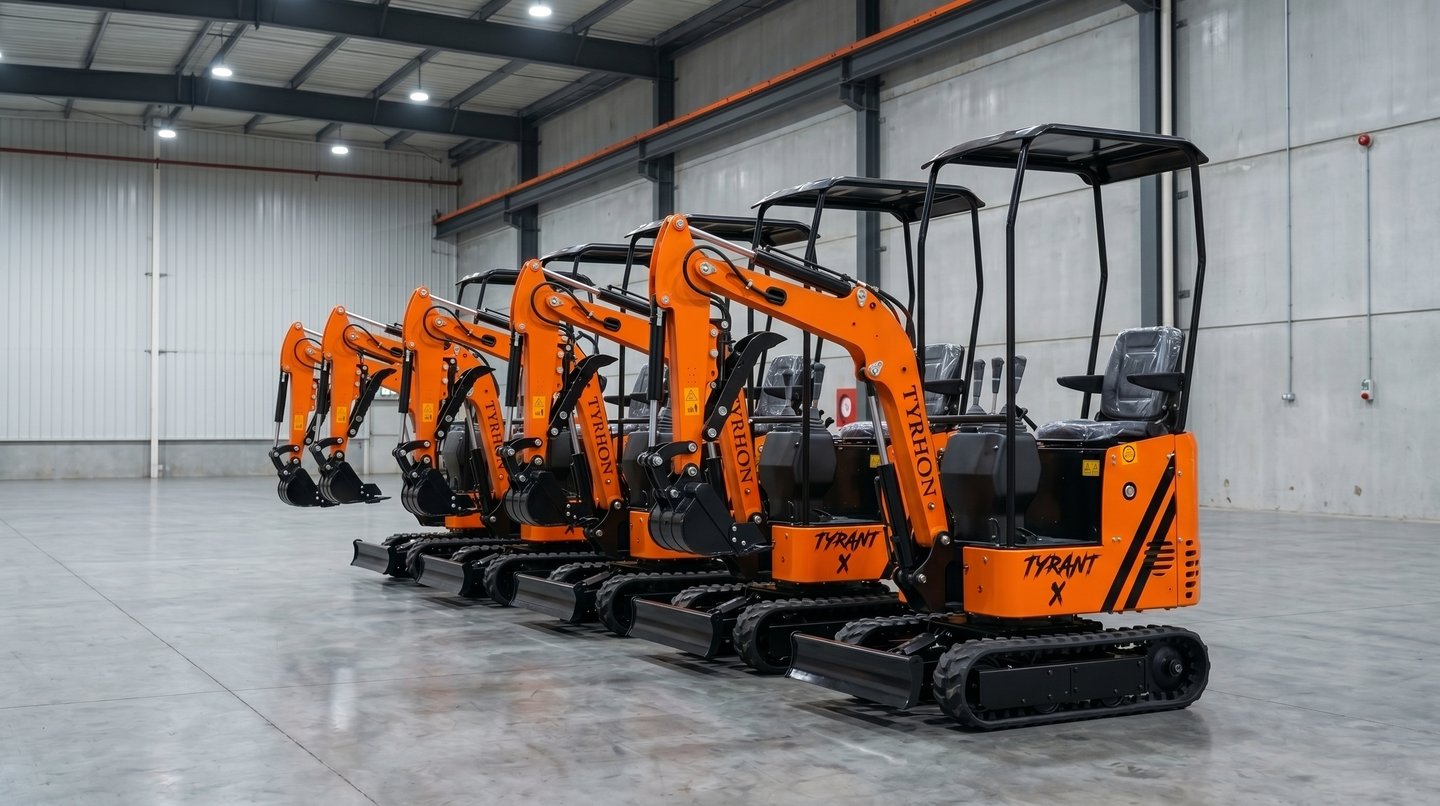
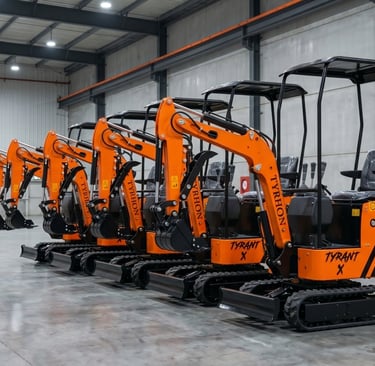
Explore our wide range of mini excavators for sale.
Company
© 2026. New Mini Excavator, All rights reserved.

Privacy Policy | Terms and Conditions
Follow us now
Support
For Inquiries
2522 S Malt Ave. Commerce, CA 90040
United States
Our Location
Tel:
+1-213-214-2203
+1 626-389-2472
Email:
-sales@typhonmachinery.com
-support@typhonmachinery.com