Equipment for Small Infrastructure Projects
Discover the best infrastructure construction equipment for small projects. Learn how compact excavators and skid steers drive efficiency and lower costs.
5/2/20266 min read
When working on small-scale infrastructure projects, you need to find the right balance between power and accuracy. These jobs, like fixing city electrical grids, paving community pathways, or upgrading municipal water lines, don't allow for any mistakes. You can't just roll in huge earthmoving machines when you work in tight residential areas or busy city streets. You need tools that are made just for getting around in tight spaces without losing the strength you need to do the job right.
Selecting the correct infrastructure construction equipment directly impacts your project timeline and profit margins. Bringing oversized machinery into a compact work zone causes logistical nightmares, increases the risk of property damage, and wastes valuable fuel. Conversely, relying entirely on manual labor guarantees blown deadlines and exhausted crews. You need intelligent, highly capable machinery that maximizes every single working hour.
This guide details the best equipment for small-scale infrastructure projects. We will explore the specific advantages of compact excavators, skid steer loaders, and mini track loaders. By understanding how these versatile machines contribute to operational efficiency and cost-effectiveness, you can build a fleet that consistently delivers reliable, high-quality results for your clients.
The Unique Demands of Small Infrastructure Jobs
Small infrastructure projects present a distinct set of operational challenges. Unlike massive highway expansions or open-pit mining operations, municipal and residential repairs happen in highly congested environments. Your crews must work around existing buildings, active traffic lanes, and delicate underground utilities.
These spatial constraints demand machinery that features minimal tail swing and exceptional maneuverability. Your operators need to rotate, dig, and lift without striking nearby fences or parked vehicles. Safety and precision become your primary operational focuses.
Furthermore, small infrastructure jobs often operate on strictly controlled budgets. City councils and private developers expect maximum value for every dollar spent. You must utilize infrastructure construction equipment that performs multiple tasks, reducing the need to transport and maintain several different machines on a single site.
Essential Machinery for Compact Work Zones
To conquer the challenges of tight job sites, equipment manufacturers have developed highly advanced compact machinery. These machines pack the hydraulic power of their larger counterparts into a drastically reduced footprint. Here are the core machines every infrastructure contractor needs in their fleet.
Compact Excavators: Precision in Tight Spaces
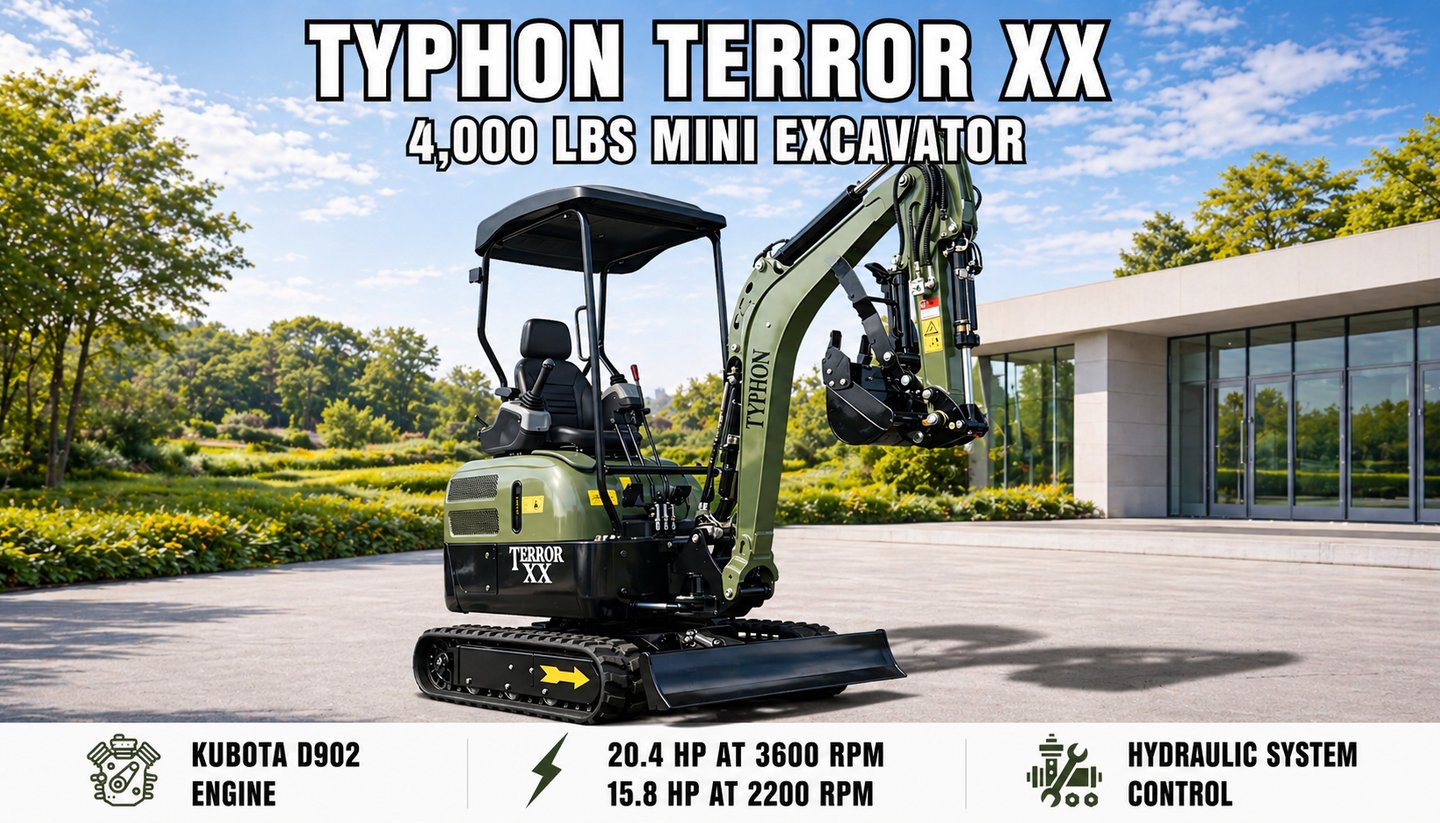
The compact excavator, often called a mini excavator, serves as the ultimate trenching and digging tool for small infrastructure work. Ranging typically from one to six tons, these machines easily navigate through narrow residential gates and crowded alleyways. Their rubber tracks distribute weight evenly, preventing damage to established driveways and manicured lawns.
When repairing underground municipal utility lines, precision is non-negotiable. Compact excavators provide operators with a clear line of sight to the bucket. This visibility allows for meticulous digging around existing pipes and fiber optic cables, preventing catastrophic utility strikes. Many models also feature zero tail swing, meaning the rear of the machine never extends beyond the tracks during rotation.
Beyond digging, compact excavators offer incredible utility through attachments. You can quickly swap a standard digging bucket for a hydraulic breaker to demolish old concrete sidewalks. This adaptability makes the compact excavator an indispensable piece of infrastructure construction equipment for any urban contractor.
Skid Steer Loaders: Unmatched Versatility
If you need a single machine to handle material transport, site cleanup, and grading, the skid steer loader is your perfect solution. These wheeled machines can turn entirely within their own footprint, providing unmatched maneuverability on congested job sites. They deliver impressive lifting capacities, allowing your crews to move heavy pallets of paving stones or massive loads of gravel effortlessly.
The true value of a skid steer lies in its universal attachment system. A skilled operator can use a bucket to backfill a fresh trench, then switch to a rotary broom to clean the street before the city inspector arrives. You can attach cold planers for localized asphalt repair or trenchers for shallow electrical installations.
By utilizing one machine for five different tasks, you drastically reduce your transportation costs. You only need one trailer to bring a skid steer and its attachments to the site. This streamlined logistics approach directly boosts your project's overall cost-effectiveness and keeps your crew highly productive.
Mini Track Loaders: Minimal Surface Disruption
Sometimes, even a standard skid steer is too large for a specific infrastructure task. Mini track loaders, or walk-behind loaders, provide the perfect solution for ultra-compact access. These narrow machines can fit through standard pedestrian doorways, making them ideal for interior demolition or complex courtyard renovations.
Because they operate on specialized tracks, mini track loaders offer exceptional flotation over soft, muddy ground. If your crew is installing drainage systems in a wet, established park, these machines move earth without creating deep, destructive ruts. You save countless hours of landscape restoration work at the end of the project.
Despite their small stature, modern mini track loaders feature robust hydraulic systems. They can run heavy-duty attachments like augers for fence posts or trenchers for irrigation lines. They empower a single worker to perform the labor of an entire crew, driving your labor costs down significantly.
Backhoe Loaders: The Reliable Urban Hybrid
While larger than a mini excavator, the backhoe loader remains a staple of small infrastructure projects due to its incredible mobility. Backhoes operate on pneumatic tires, meaning they can drive themselves down city streets between different repair sites. You completely eliminate the need for a heavy-haul transport truck for local municipal work.
The backhoe combines the capabilities of a front-end loader and a rear excavator. Your operator can dig a water main repair trench, place the new pipe, and backfill the hole using a single machine. This two-in-one functionality makes the backhoe loader highly efficient for rapid, emergency utility repairs.
When you need to restore traffic flow quickly, the backhoe delivers. It offers the breakout force necessary to punch through tough urban asphalt and the speed to clear the site the moment the patch cools. It is a proven, reliable asset for any company managing municipal infrastructure contracts.
Maximizing Efficiency and Cost-Effectiveness
Investing in the right infrastructure construction equipment yields immediate financial returns. Compact machinery inherently costs less to purchase and maintain than massive earthmoving equipment. However, the true cost-effectiveness reveals itself in your daily operational metrics.
Reducing Daily Fuel Consumption
Compact machines utilize highly efficient, lower-horsepower diesel engines. Because they weigh significantly less than full-sized equipment, they require far less energy to move around the site. This translates to a massive reduction in your daily fuel consumption.
When you operate a fleet of compact excavators and skid steers, your monthly diesel expenses drop dramatically. These savings protect your profit margins, especially when fuel prices fluctuate unexpectedly. You maintain a lean, highly profitable operation from the moment the ground breaks.
Lowering Logistics and Transport Costs
Moving a forty-ton excavator requires specialized flatbed trailers, heavy-haul permits, and dedicated transport drivers. Moving a compact excavator requires a standard heavy-duty pickup truck and a simple tag-a-long trailer. This logistical simplicity saves your business thousands of dollars annually.
You can dispatch a small infrastructure crew rapidly, responding to emergency municipal repairs within minutes rather than hours. This speed and agility build deep trust with your clients. When project owners know they can rely on your rapid response, you secure long-term, lucrative contracts.
Amplifying Labor Productivity
In the construction industry, idle labor destroys profitability. Every hour your crew spends manually digging a trench or moving gravel in wheelbarrows costs you money. Compact infrastructure construction equipment acts as a massive force multiplier for your workforce.
A single operator in a mini excavator can accomplish more in two hours than a five-person manual labor crew can achieve in a full day. By minimizing the physical strain on your workers, you reduce job site injuries and maintain high team morale. Your skilled employees can focus on complex installation tasks rather than exhausting manual labor.
Choosing the Right Equipment for Your Needs
Building the perfect fleet requires a strategic evaluation of your core business activities. You must analyze the specific types of small infrastructure projects your company handles most frequently. This data-driven approach ensures you invest in assets that generate consistent revenue.
Start by measuring the physical constraints of your typical job sites. If you constantly work in narrow urban alleys, prioritize zero tail swing excavators and mini track loaders. If your work involves wider residential streets, a versatile wheeled skid steer might offer the best return on investment.
Always consult with trusted equipment dealers to understand the hydraulic capabilities of the machines you intend to purchase. Ensure the machinery provides sufficient flow to run the specific attachments your projects require. Making informed, strategic purchasing decisions guarantees your fleet remains highly capable and exceptionally reliable.
Conclusion
Successfully completing small-scale infrastructure projects requires absolute precision, rapid mobility, and intelligent resource management. You cannot tackle compact, complex job sites with oversized machinery or inefficient manual labor. By deploying specialized infrastructure construction equipment like compact excavators, skid steers, and mini track loaders, you take total control of your operational efficiency.
These versatile machines empower your crews to work safely in tight spaces, reduce costly surface damage, and dramatically lower your daily operating expenses. They serve as reliable, powerful tools that protect your profit margins and enhance your professional reputation. Evaluate your current fleet today, identify the compact machinery that aligns with your upcoming contracts, and equip your team with the highly effective tools they need to succeed.
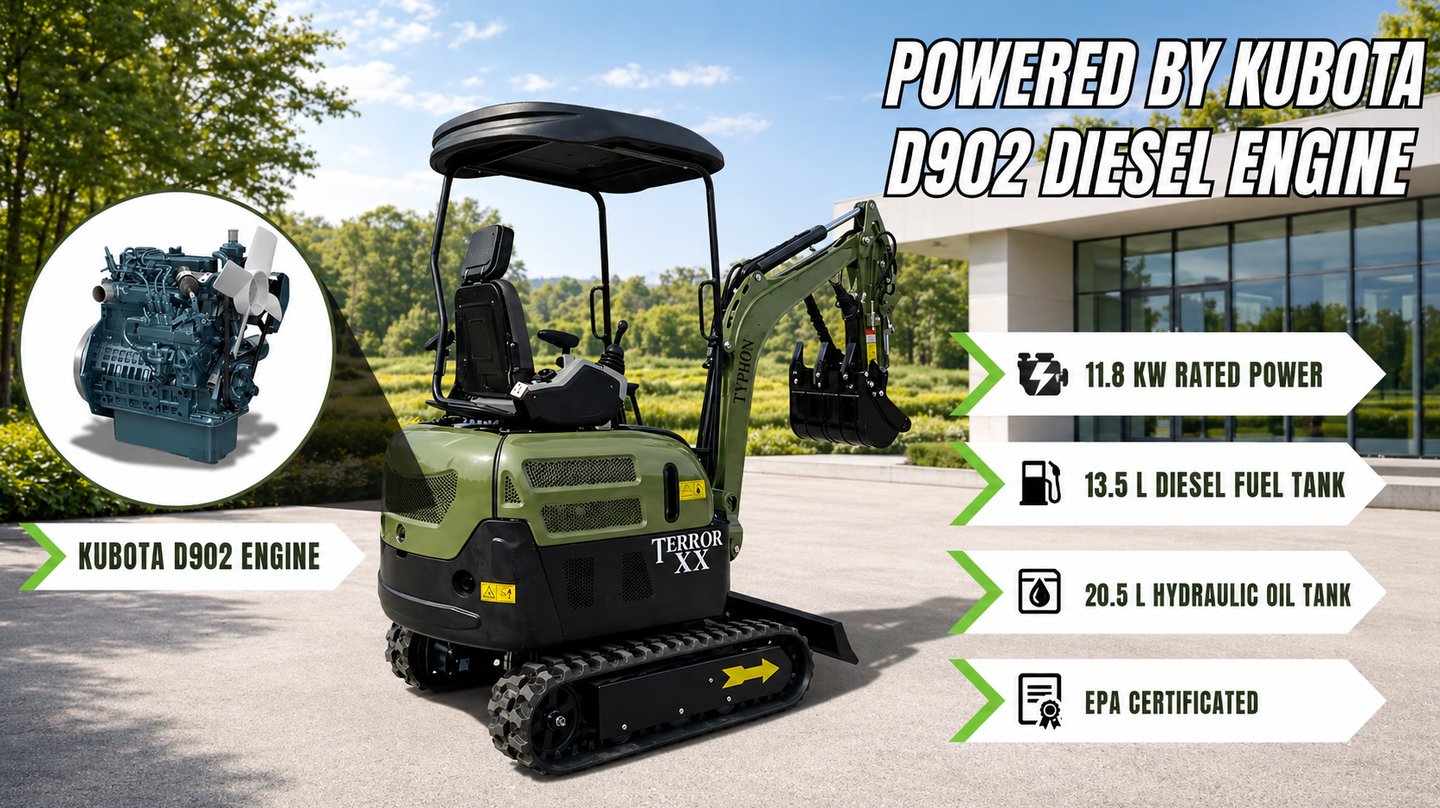
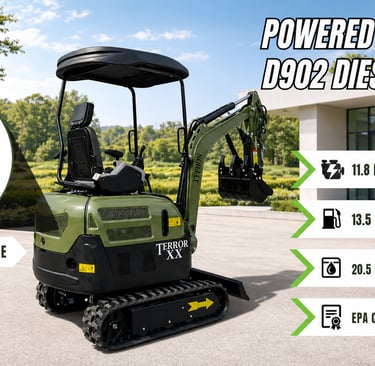
Explore our wide range of mini excavators for sale.
Company
© 2026. New Mini Excavator, All rights reserved.
Privacy Policy | Terms and Conditions
Follow us now
Support
For Inquiries
2522 S Malt Ave. Commerce, CA 90040
United States
Our Location
Tel:
+1-213-214-2203
+1 626-389-2472
Email:
-sales@typhonmachinery.com
-support@typhonmachinery.com