
Excavator Attachments for Different Industries
Discover how specific excavator attachments support construction, agriculture, landscaping, demolition, utilities, and property maintenance to maximize equipment versatility and productivity.
5/16/20265 min read
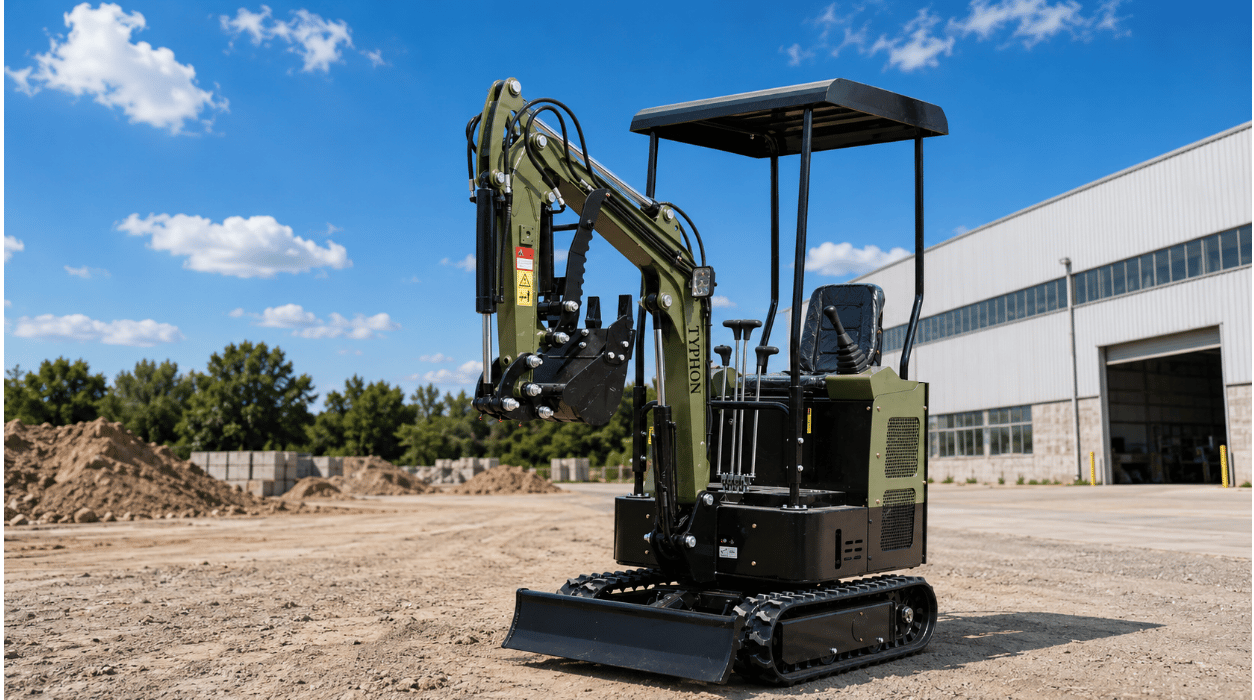
Getting the most from your heavy equipment investment means choosing machinery that can adapt to more than one task. Relying on single-purpose machines increases capital costs, adds transport complexity, and leaves valuable assets sitting idle between jobs. An excavator provides a strong solution because it combines digging power, reach, and hydraulic versatility in one dependable platform. The real advantage comes from the tools you pair with it.
By looking at how excavator attachments industries depend on every day, you can better understand how to expand your own capabilities without expanding your fleet unnecessarily. Different industries face different material types, site limits, and workflow demands. With the right attachment strategy, one excavator can move from trenching and lifting to breaking, clearing, grading, and specialized handling with impressive efficiency.
This guide explores how excavator attachments support key industries including construction, agriculture, landscaping, demolition, utilities, and property maintenance. You will see how specific attachments help crews work faster, reduce manual labor, and improve jobsite flexibility. When you match the right tool to the right application, your excavator becomes a far more productive and profitable asset.
Supporting Modern Construction Workflows
Construction sites require equipment that can handle changing demands from one phase of the project to the next. In the early stages, contractors often rely on standard digging buckets and heavy-duty trenching buckets to excavate foundations, footings, and drainage lines. These attachments allow operators to move material efficiently while maintaining the control needed for precise cuts and clean trench walls.
As projects become more complex, excavators often take on specialized roles with hydraulic thumbs, compaction wheels, and tilt buckets. A hydraulic thumb allows the operator to pick up broken concrete, pipe sections, brush, and irregular debris without needing a separate handling machine. This makes it easier to manage materials during site prep, utility installation, and cleanup. Tilt buckets add another layer of flexibility by helping crews shape slopes, refine grading, and work along edges with greater accuracy.
Construction crews also use auger attachments when fence posts, sign foundations, or structural piers are part of the job. Instead of bringing in a separate drilling machine, the excavator can switch tasks and keep the project moving. This kind of attachment flexibility helps contractors reduce downtime and maintain better control over schedule and labor costs.
Expanding Agricultural Efficiency
Agricultural operations often require equipment that can perform in open fields one day and around tighter working areas the next. Excavators may not replace every farm machine, but with the right attachments they provide strong value in drainage work, ditch maintenance, material handling, and land improvement. A grading bucket, for example, helps farmers reshape drainage channels, clean ponds, and maintain access routes without relying entirely on manual labor or multiple specialized tools.
Hydraulic thumbs and grapples are especially useful in agricultural settings where operators need to move logs, brush, broken fencing, or bulky materials. After storms or seasonal cleanup, these attachments allow crews to gather and stack debris quickly while reducing the physical strain on workers. In operations that include land clearing or expansion, excavators equipped with mulching heads or brush cutters can help control overgrowth and reclaim usable land more efficiently.
Augers also play an important role in agriculture. When farms need to install fencing, signs, or structural supports, an excavator with an auger drive can drill consistent holes with good control, even in difficult ground conditions. This helps reduce setup time and allows operators to complete support work with one machine already on site.
Enhancing Landscaping and Land Development
Landscaping projects require precision, especially when crews are working around finished spaces, retaining walls, tree lines, and drainage features. Excavators equipped with tilt buckets are highly effective in this environment because they allow operators to shape contours, refine slopes, and clean ditches with more control than a standard fixed bucket. This is especially important on residential and commercial properties where final appearance matters as much as performance.
Landscapers also benefit from excavator thumbs and grapples when moving boulders, tree sections, root balls, and bulky natural materials. Instead of pushing or dragging those materials into place, the excavator can lift, rotate, and position them with care. That improves precision and helps protect surrounding surfaces from unnecessary damage. In hardscape projects, this level of control can make a major difference in installation speed and finish quality.
For tree removal and site clearing, specialized attachments such as stump rippers or brush cutters expand the machine’s usefulness even further. Crews can remove roots, clear invasive growth, and prepare land for planting or development without bringing in another primary machine. This makes the excavator a strong fit for landscaping businesses that handle both rough work and finish work on the same project.
Driving Demolition Productivity
Demolition requires concentrated force, jobsite control, and reliable material handling. Excavators are especially valuable in this sector because they combine reach with the hydraulic power needed to run high-impact attachments. Hydraulic breakers are among the most common demolition tools used on excavators. They allow operators to break concrete slabs, foundations, retaining walls, and pavement quickly while keeping the machine at a safe working distance.
Once structures or surfaces are broken apart, demolition crews often switch to grapples or hydraulic thumbs to sort, lift, and load debris. This ability to move from breaking to handling with one machine supports a smoother workflow and reduces dependence on additional equipment. Operators can separate concrete, metal, timber, and mixed debris more efficiently, which helps keep the site safer and more organized.
In selective demolition, excavators may also be equipped with specialized shears or pulverizers to cut steel and crush reinforced concrete. These attachments give contractors greater control when working around standing structures or in areas where precision matters. By using excavator-based demolition tools, companies can improve productivity while protecting crews and reducing unnecessary handling steps.
Strengthening Utility and Infrastructure Work
Utility work demands accuracy, especially when crews are trenching around active lines, repairing buried infrastructure, or installing new systems in tight corridors. Excavators are a natural fit for this work, and attachments make them even more effective. Narrow trenching buckets help operators create clean, efficient trenches for water lines, sewer connections, electrical conduit, and fiber installations while minimizing disturbance to surrounding ground.
Compaction attachments are also valuable on utility jobs. After trenching and backfilling, excavators can use plate compactors or compaction wheels to help crews achieve proper density before final restoration. This reduces the need for separate compacting equipment in smaller work zones and keeps the workflow moving with fewer interruptions.
Hydraulic thumbs and lifting hooks can support utility crews when pipe sections, vault components, or irregular materials need to be moved carefully into place. On projects where access is limited or the site is congested, using one excavator for digging, placing, and compacting improves efficiency and helps contractors maintain tighter control over labor and equipment coordination.
Improving Property Maintenance and Land Management
Large properties require ongoing maintenance that goes beyond mowing and surface cleanup. Facility managers, estate owners, and land management crews often use excavators with specialized attachments to handle drainage restoration, brush control, debris removal, and minor site repairs. A ditching bucket or tilt bucket is useful for cleaning drainage channels, shaping swales, and correcting erosion before it becomes a bigger issue.
Brush cutters and mulching heads help crews manage overgrown edges, fence lines, and wooded access routes. Instead of relying on separate land-clearing machines, the excavator can reach into difficult areas and clear vegetation with greater control. This is especially helpful around ponds, slopes, and uneven terrain where maneuverability and reach matter.
For general maintenance work, hydraulic thumbs and grapples give property teams a practical way to handle fallen limbs, storm debris, old fencing, and bulky waste. That makes the excavator a valuable year-round machine for organizations responsible for keeping large outdoor spaces safe, functional, and presentable.
Conclusion
Maximizing the value of your fleet means using equipment that can adapt to changing demands across different job types. An excavator already delivers strong performance through digging power, reach, and control, but the right attachments make it far more capable. From trenching and grading to demolition, clearing, lifting, and land management, these tools help one machine do more work across more industries.
We encourage you to review your current workflow and identify where specialized tools could help your excavator take on more tasks. With a smart attachment strategy, you can reduce equipment overlap, improve jobsite efficiency, and get stronger long-term value from every machine you own. By understanding how excavator attachments industries rely on for daily performance, you can make more confident equipment decisions and build a more flexible operation.
Explore our wide range of mini excavators for sale.
Company
© 2026. New Mini Excavator, All rights reserved.

Privacy Policy | Terms and Conditions
Follow us now
Support
For Inquiries
2522 S Malt Ave. Commerce, CA 90040
United States
Our Location
Tel:
+1-213-214-2203
+1 626-389-2472
Email:
-sales@typhonmachinery.com
-support@typhonmachinery.com