Forklift Troubleshooting: Why It’s Not Lifting Properly
Discover why your forklift is not lifting properly. Read our expert forklift troubleshooting guide to diagnose hydraulic issues and improve your maintenance.
3/21/20266 min read
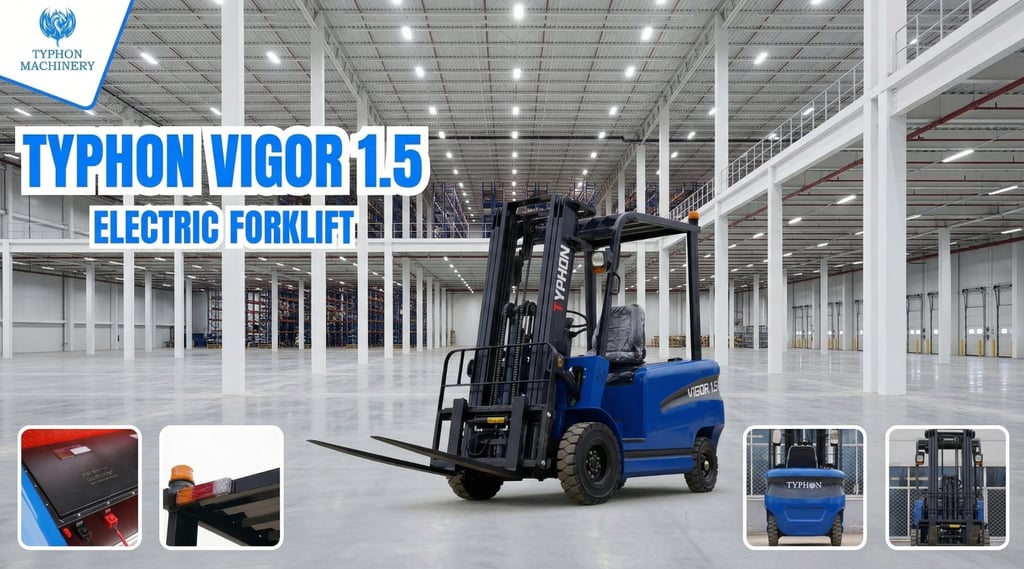
When a forklift can’t lift a heavy load, your entire operation can come to a sudden stop. It slows down workflow, creates bottlenecks in the warehouse, and increases safety risks for your team. When heavy equipment doesn’t perform as expected, finding a fast and reliable solution is critical to keeping productivity on track.
In this guide, we’ll break down the most common causes of forklift lifting problems and how to fix them. You’ll learn practical forklift troubleshooting steps to quickly identify the issue—whether it’s mechanical wear, hydraulic system failure, or operator-related errors. Understanding these factors can help you resolve problems faster and avoid costly downtime.
By learning these key insights, you can protect your investment in heavy equipment and maintain a safe, efficient work environment. We’ll also share essential forklift maintenance tips to help prevent future breakdowns, improve performance, and extend the lifespan of your machinery.
Recognizing the Signs of a Lifting Failure
Heavy equipment rarely fails without offering subtle warning signs. Operators often notice minor changes in performance long before a complete lifting failure occurs. The forks might elevate much more slowly than usual, or the mast might jerk erratically during standard operation.
You may also hear unusual grinding, hissing, or whining noises coming directly from the hydraulic pump. Recognizing these early warning signs allows you to address minor issues before they escalate into costly, major repairs. Ignoring these symptoms compromises workplace safety and drastically reduces the lifespan of your heavy machinery.
Empowering your operators to report these anomalies immediately is critical. A proactive approach to equipment health ensures that small hydraulic leaks or minor mechanical binding issues are resolved swiftly.
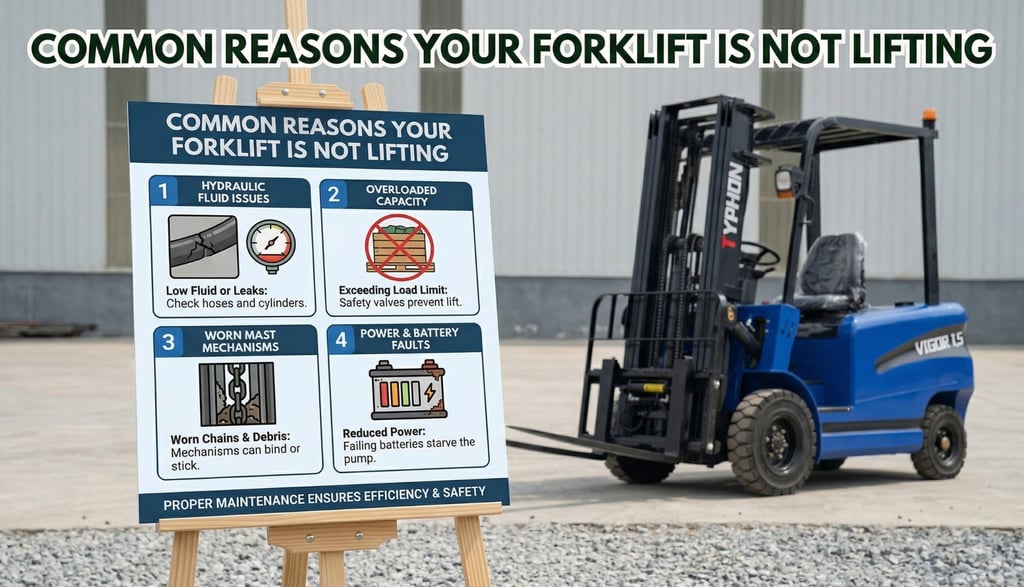
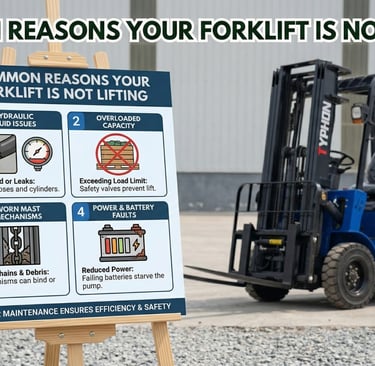
Common Reasons Your Forklift Is Not Lifting
Several distinct mechanical, hydraulic, and operational factors can prevent your machine from lifting loads effectively. Understanding these core components helps operators and facility managers pinpoint the exact cause of the malfunction.
Hydraulic Fluid Shortages and Leaks
The hydraulic system serves as the primary muscle of your equipment. It relies on a precise volume of pressurized fluid to generate the immense force required to elevate heavy pallets. If the hydraulic fluid level drops too low, the pump simply cannot generate enough pressure to raise the mast.
Fluid shortages typically occur due to degraded cylinder seals, damaged O-rings, or cracked, brittle hoses. Even a minor, slow leak can significantly impact the lifting capacity and overall operational efficiency of your machine. When air enters the hydraulic lines due to low fluid levels, the lifting motion becomes spongy and highly unpredictable.
Overloaded Capacity Limits
Every material handling machine comes with a strict, manufacturer-defined load capacity. Exceeding this exact weight limit is a primary reason a forklift refuses to lift. Modern equipment features built-in safety relief valves that open automatically when the hydraulic pressure exceeds safe operating limits.
When an operator attempts to lift an oversized load, this safety valve activates immediately. It bypasses the hydraulic fluid back to the reservoir, completely preventing the mast from rising. Pushing a machine beyond its rated capacity not only triggers this fail-safe but also threatens the structural integrity of the forks and the mast carriage.
Mechanical Wear and Mast Issues
The physical lifting mechanism endures incredible stress during daily operations. Over time, the heavy-duty chains, pulleys, and rollers that guide the mast experience significant mechanical wear and tear. Debris, dust, and warehouse dirt can accumulate inside the mast channels, causing the entire carriage to bind or stick.
If a lift chain stretches beyond its acceptable engineering tolerance, it cannot pull the carriage upward smoothly. Similarly, if a mast roller seizes due to a lack of lubrication, the lifting mechanism will stall entirely, regardless of how much hydraulic pressure the pump generates.
Power System and Battery Constraints
For the hydraulic pump to function, it requires a robust, consistent supply of power from the machine's engine or battery bank. On electric models, a degraded battery that cannot hold a proper charge will fail to deliver the necessary voltage to the hydraulic lift motor.
If the battery drops below a specific voltage threshold, the machine's internal computer will prioritize drive functions over lifting functions. For internal combustion models, a failing alternator or severe engine performance issues can similarly starve the hydraulic pump of the mechanical energy needed to operate effectively.
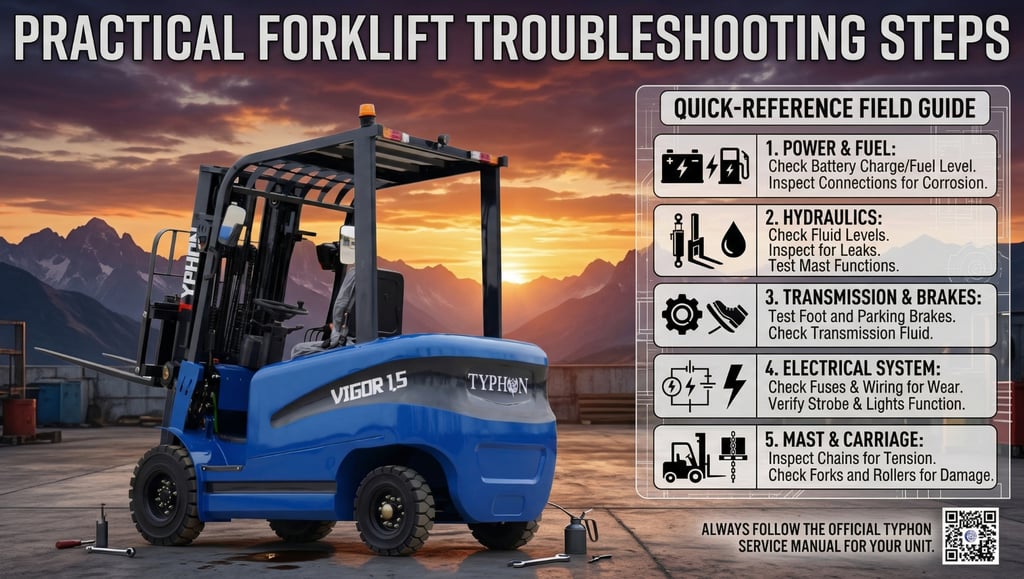
Practical Forklift Troubleshooting Steps
When faced with a machine that refuses to elevate, operators can perform several preliminary checks safely. These methodical steps help isolate the problem and determine the most appropriate course of action.
Inspecting the Hydraulic System
Start by parking the machine safely on a level surface and lowering the forks completely to the ground. Check the hydraulic fluid reservoir dipstick or sight glass to ensure the oil sits at the proper, specified level. If the fluid is low, top it off carefully with the manufacturer-recommended hydraulic oil to see if functionality returns.
Next, inspect the ground directly beneath the machine for fresh puddles, which clearly indicate an active fluid leak. Visually examine the hydraulic hoses, fittings, and main lift cylinders for visible weeping, deep outer abrasions, or moisture buildup around the wiper seals.
Checking Chains, Rollers, and the Mast
After inspecting the hydraulics, shift your focus to the mechanical lifting components. Look closely at the heavy lift chains for signs of aggressive rust, uneven stretching, or broken linkages. Ensure the chains carry equal tension on both sides of the carriage by pressing against them firmly.
Examine the vertical mast channels for trapped debris, packed dirt, or a severe lack of lubrication. If the rollers appear dry, show heavy scoring, or exhibit signs of metal-on-metal friction, they likely require immediate cleaning and proper greasing to restore smooth movement.
Verifying Load Weight and Distribution
Always verify the exact weight of the load before attempting to lift it. Check the metal data plate mounted in the operator cab to confirm the maximum capacity at the specific load center you are handling.
Ensure the load is evenly distributed perfectly across both forks and positioned as close to the vertical backrest as possible. Uneven or improperly positioned loads shift the center of gravity drastically. This improper geometry can trigger the hydraulic safety relief valve, halting the lifting process entirely to prevent the machine from tipping forward.
The Role of Preventative Maintenance
Proactive, scheduled care is the single most effective strategy to avoid unexpected breakdowns on the warehouse floor. Implementing a rigorous maintenance schedule protects your substantial equipment investment and ensures reliable daily performance.
Routine inspections catch degrading hydraulic hoses, weeping seals, and worn mast components long before they fail completely during a busy shift. Consistent, high-quality lubrication of the mast channels, lift chains, and mechanical pivot points minimizes harmful friction. This simple act drastically extends the working life of your machinery.
Integrating these essential forklift maintenance tips into your daily operational routine guarantees a safer, highly productive workplace. Operators should utilize a comprehensive daily checklist to document the machine's condition before every single shift begins.
Safety First: When to Call a Professional
While well-trained operators can perform basic forklift troubleshooting, complex mechanical repairs require professional expertise. Never attempt to adjust hydraulic pressure relief valves or disassemble pressurized lift cylinders without certified training.
These heavy-duty components hold immense internal fluid pressure that can cause severe, life-threatening injuries if handled incorrectly. If topping off the hydraulic fluid, verifying the load weight, or clearing visible mast debris does not resolve the lifting issue, immediately remove the machine from active service.
Tag the equipment out clearly so no other personnel attempt to operate it. Contact a certified heavy machinery technician to conduct a thorough diagnostic assessment. Relying on professional service ensures the repair is completed safely and adheres to strict industry compliance standards.
Conclusion
A forklift not lifting properly disrupts your operational workflow and creates unnecessary safety hazards for your entire facility. By understanding the common causes of lifting failures—such as hydraulic fluid loss, capacity overloading, and severe mechanical wear—you can troubleshoot these costly issues quickly and effectively.
Always prioritize proactive, scheduled maintenance to keep your equipment running reliably at peak performance. Train your operators to recognize the early warning signs of equipment fatigue, and never hesitate to consult a professional mechanic for complex hydraulic repairs.
Take time today to review your current equipment inspection protocols. Implement strict, daily maintenance checklists to safeguard your crew and maximize the long-term longevity of your material handling fleet. A well-maintained machine is the cornerstone of a safe, efficient, and profitable operation.
Explore our wide range of mini excavators for sale.
Company
© 2026. New Mini Excavator, All rights reserved.

Privacy Policy | Terms and Conditions
Follow us now
Support
For Inquiries
2522 S Malt Ave. Commerce, CA 90040
United States
Our Location
Tel:
+1-213-214-2203
+1 626-389-2472
Email:
-sales@typhonmachinery.com
-support@typhonmachinery.com