How to Use a Mini Excavator for Farm and Ranch Projects
A mini excavator might be the most versatile machine you can bring onto a farm or ranch.
NEW EXCAVATORS
TYPHON
7/12/20266 min read
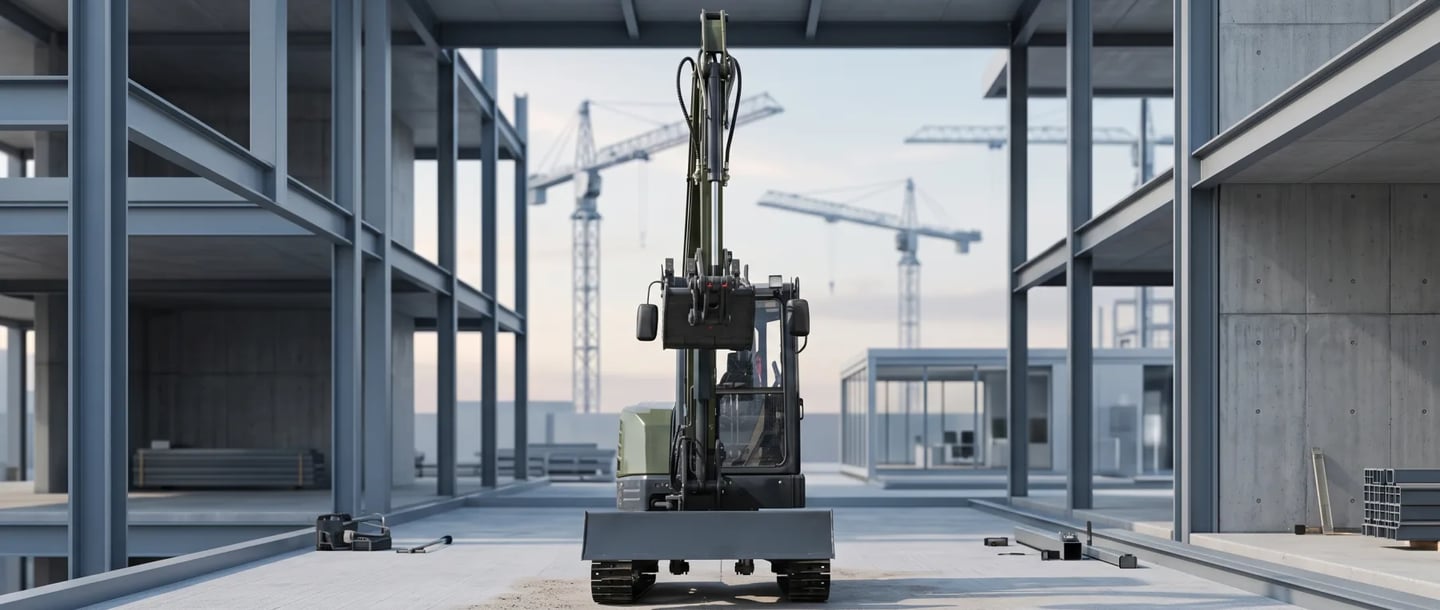
A mini excavator might be the most versatile machine you can bring onto a farm or ranch. It digs, lifts, grades, and clears in tight spaces where a full-size machine can't fit, and it does the work of a whole crew with shovels. For anyone managing acreage, that combination of power and compact size turns days of backbreaking labor into a few hours in the cab.
The best part is how many jobs one machine handles. Fence lines, drainage, ponds, land clearing, material moving, and landscaping all fall within a mini excavator's reach. Whether you own one or rent by the day, knowing how to match the machine to the task saves time, protects your property, and keeps every project moving.
Beyond reducing manual labor, a mini excavator gives property owners greater flexibility to tackle projects on their own schedule. Instead of waiting for contractors or relying on multiple specialized machines, you can complete seasonal maintenance, respond to unexpected repairs, and make gradual improvements whenever conditions are right. That level of independence helps control costs while ensuring essential farm and ranch work gets done when it matters most.
Digging Fence Post Holes
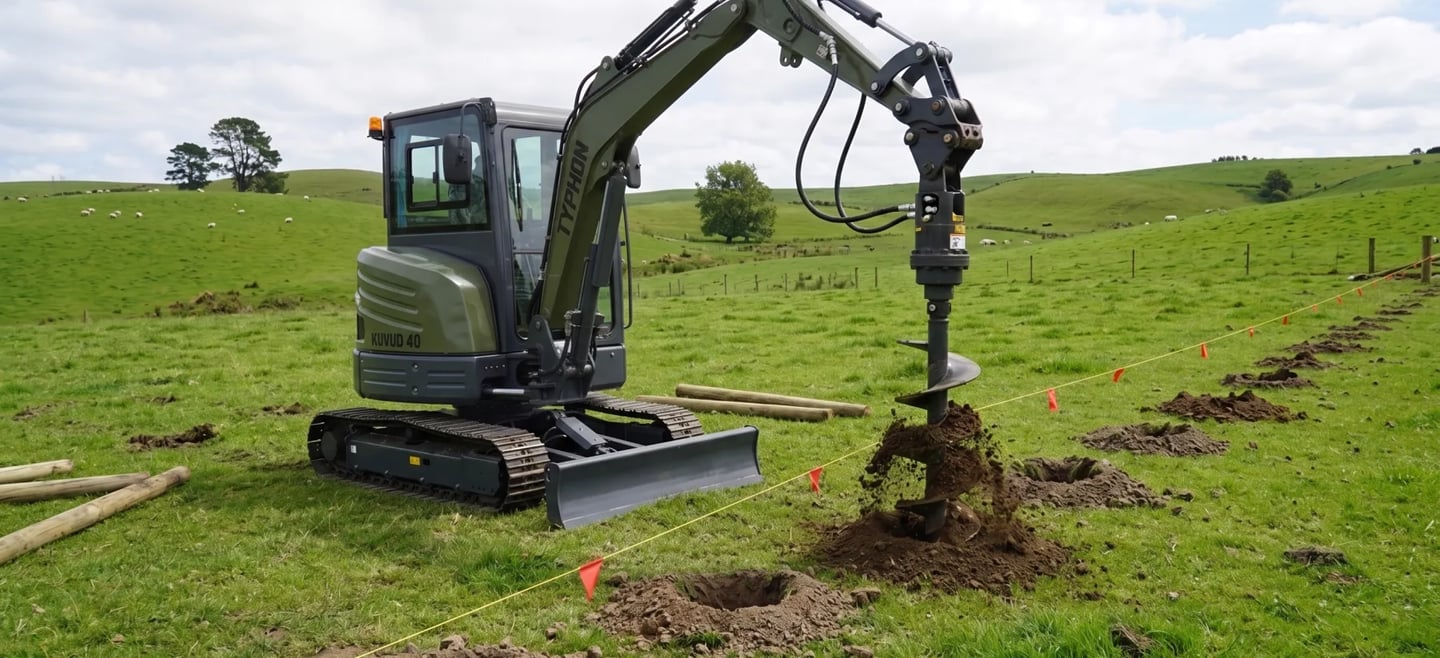
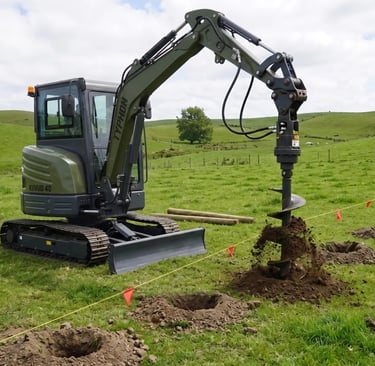
Fencing is a constant on any ranch, and digging holes by hand is slow, tiring work. A mini excavator changes that. With the right attachment, you can dig clean, consistent holes in a fraction of the time, even in hard or rocky soil that stops a manual auger cold.
A mini excavator also provides greater precision when laying out fence lines across large properties. Operators can accurately position each hole, maintain consistent spacing, and adjust for uneven terrain without the physical strain of manual digging. The result is a straighter, more secure fence installation that requires less time, fewer corrections, and significantly less effort from the crew.
Choosing the Right Auger Attachment
The auger you choose determines how clean and consistent your holes turn out. Match the auger diameter to your post size, and confirm the excavator's hydraulic flow can drive it through your soil type. In rocky or heavily compacted ground, a heavy-duty auger with the right teeth cuts faster and resists wear, saving you from stalls and repeated passes.
Tips for Faster, Straighter Fence Lines
Use an auger attachment that matches your post diameter to create clean, consistent holes, and mark the fence line with stakes and string before digging to keep posts straight. Maintain a uniform depth by using the first hole as a reference, and switch to the bucket when excavating larger footings for corner braces or H-posts. Clear spoil as you work to keep the area safe and organized. With the right approach, you'll complete the job faster while achieving straighter, more evenly spaced posts.
Clearing Land and Removing Obstacles
Overgrown brush, old stumps, buried rocks, and unwanted roots all stand between you and usable ground. A mini excavator tackles them with a combination of digging force and attachments built for the job. Clearing land this way is faster and far easier on your back than manual work.
Instead of relying on chainsaws, hand tools, and repeated passes with smaller equipment, operators can remove multiple obstacles in a single workflow. A mini excavator can loosen roots, lift heavy debris, and pile cleared material for disposal or processing without excessive manual handling. This makes it easier to reclaim neglected areas, prepare new fields, or expand usable land while minimizing disruption to the surrounding property.
How to Clear Efficiently
Start by assessing what you're up against. Light brush and saplings come out with a bucket or grapple, while stumps and larger roots may need a dedicated ripper or thumb attachment to pry them loose. Work methodically across the area rather than jumping around, and pile debris in one spot for easy hauling or burning.
A thumb attachment is especially handy here. It lets the bucket grip and lift awkward loads like brush piles, logs, and rocks, turning your excavator into a capable material handler. Take rocks and stumps slowly, and let the machine's hydraulics do the work instead of forcing it.
Handling Stumps and Buried Rocks
Stumps and large rocks demand a patient, controlled approach. Dig around the obstacle first to expose its base, then use the bucket or a ripper to sever roots and break the ground's grip. Rock the object loose with steady pressure rather than sudden force, which protects both the machine and your hydraulics. For heavy loads, keep the bucket low and close to the machine as you lift and relocate them to your debris pile.
Installing Drainage Systems
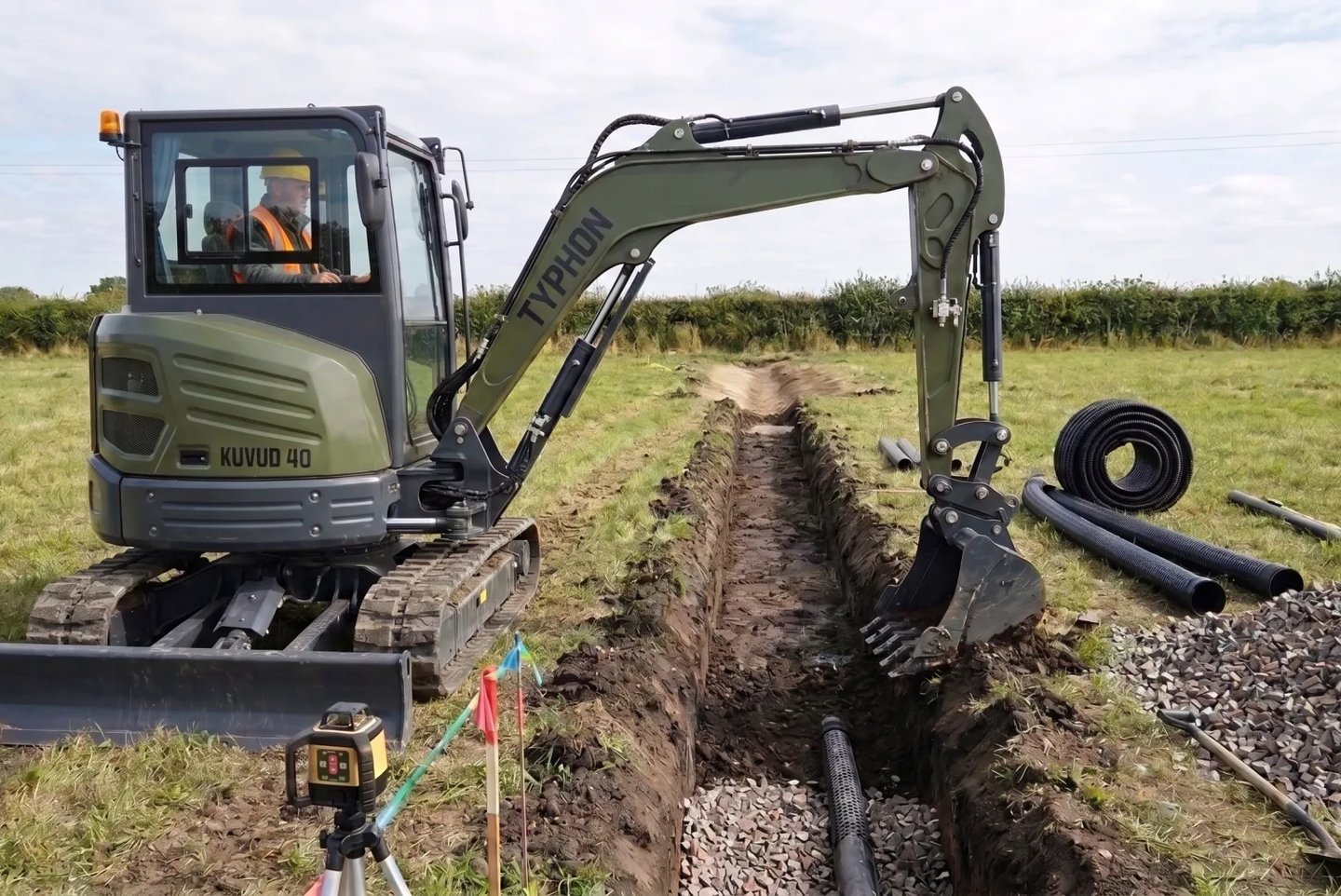
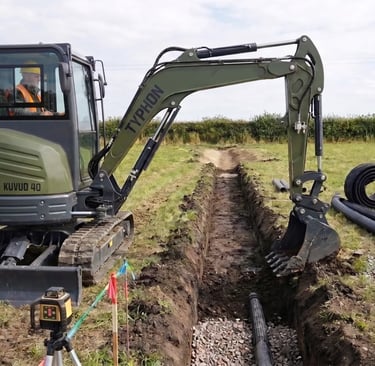
Standing water ruins pastures, floods barns, and drowns crops. A mini excavator digs the trenches you need to route water away from problem areas and protect your investment. Good drainage is one of the highest-value projects you can take on with the machine.
The compact size of a mini excavator makes it well suited for installing drainage systems around existing buildings, livestock areas, and established landscapes with minimal disturbance. It can create narrow, accurately graded trenches that support proper water flow while reducing unnecessary excavation. Whether installing drain pipes, French drains, or drainage ditches, precise trenching helps improve long-term water management and keeps agricultural land more productive throughout the year.
Planning Your Drainage Layout
Before you dig, map where water pools and where you want it to go. Identify low spots, natural slopes, and the outlet point, then plan a trench route that carries water away from structures and productive ground. A clear layout up front prevents costly rework and ensures your system actually solves the problem instead of shifting it somewhere else.
Whether you're installing a French drain, culvert, or simple diversion ditch, the excavator's precise control lets you dig exactly where and how deep you need. That precision is hard to match with any other machine.
Moving Materials Around the Property
Farms run on moving stuff, whether it's gravel, soil, feed, hay, or debris. A mini excavator doubles as a material handler when you fit the right attachment, saving countless trips with a wheelbarrow or by hand. This kind of efficiency becomes especially valuable during busy seasons when time and labor are stretched thin, allowing you to shift heavy loads quickly without slowing down other essential work.
With the right setup, the same machine that digs in the morning can haul and stack in the afternoon. That flexibility keeps projects moving and cuts down on the manual lifting that wears out a crew, making everyday chores faster and safer across the property. It also improves overall workflow on the farm by reducing downtime between tasks, helping you complete more work in a single day while maintaining consistency and control across different job types.
Choosing the Right Attachment
The attachment you fit turns a digging machine into a purpose-built material handler. A thumb or grapple grips logs, brush, and irregular loads, while pallet forks move feed, supplies, and stacked materials where the machine supports them. Match the attachment to the loads you handle most, and confirm it works within the excavator's rated lifting capacity for safe, efficient work.
Make the Most of Material Handling
Equip the excavator with a thumb or grapple to securely handle logs, brush, and other irregular materials, or use pallet forks where compatible for moving feed, supplies, and palletized loads. Keep loads low while traveling to maintain stability on uneven ground, swing slowly with a full bucket to prevent tipping or spilling, and always stay within the machine's rated lifting capacity. These practices make debris cleanup and material handling much faster and safer, allowing the excavator to accomplish in hours what would take a crew much longer to complete by hand.
Conclusion
Mini excavators are among the most valuable machines for farm and ranch work, offering the versatility to handle everything from digging fence post holes and installing drainage to clearing land, moving materials, and maintaining property throughout the year. With the right attachments and proper operating techniques, these compact machines can replace hours of manual labor, improve productivity, and help complete demanding projects with greater precision and efficiency. Whether purchased or rented for specific tasks, choosing the right machine for the job is the key to achieving the best results.
From routine maintenance to large-scale property improvements, mini excavators help reduce manual effort, increase efficiency, and make it easier to complete a wider range of tasks in less time. By selecting the appropriate machine size, equipping it with the right attachments, and following safe operating practices, you can improve productivity, reduce project costs, and get more value from every job.
Frequently Asked Questions
What size mini excavator do I need for farm work?
For most farm and ranch tasks, a machine in the 1.5- to 4-ton range handles the work well. Smaller units fit tight spaces and light digging, while larger ones dig deeper and lift more. Match the size to your heaviest expected job and available access.
Can a mini excavator dig fence post holes in hard soil?
Yes. With an auger attachment, a mini excavator drills clean holes even in hard, rocky, or compacted soil that stops manual augers. For very tough ground, choosing a machine with adequate hydraulic flow makes the job faster and easier.
What attachments are most useful on a farm?
An auger, a thumb or grapple, a trenching bucket, and a grading bucket cover most farm and ranch needs. Together they let one machine dig postholes, handle brush and logs, trench for drainage, and finish grade around the property.
Should I buy or rent a mini excavator?
If you have frequent, ongoing projects, buying often makes financial sense and keeps the machine on hand. For occasional big jobs like building a pond, renting by the day or week can be the smarter, more affordable choice.
Explore our wide range of mini excavators for sale.
Company
© 2026. New Mini Excavator, All rights reserved.

Privacy Policy | Terms and Conditions
Follow us now
Support
For Inquiries
2522 S Malt Ave. Commerce, CA 90040
United States
Our Location
Tel:
+1-213-214-2203
+1 626-389-2472
Email:
-sales@typhonmachinery.com
-support@typhonmachinery.com