
Mini Excavator Hydraulic Quick Coupler: How It Works
Learn how a mini excavator quick coupler streamlines your hydraulic attachment connection, optimizes oil flow, and reduces downtime in construction.
3/18/20266 min read
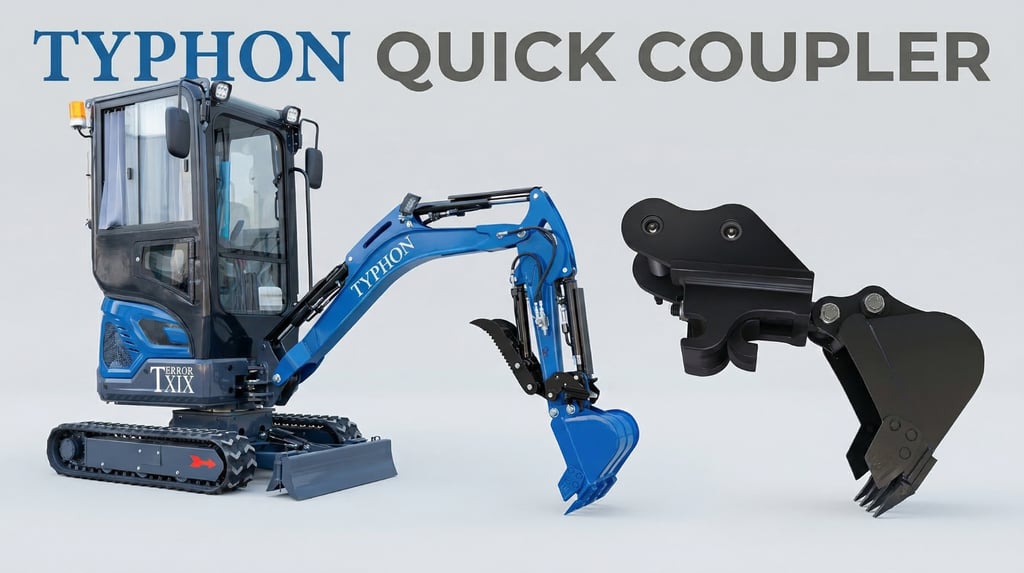
Mini excavators are celebrated for their incredible versatility and compact power. A single machine can dig a foundation, break up concrete, and grade a driveway, all within the exact same shift. However, this flexibility relies entirely on the mechanism that connects the machine to its various tools. The mini excavator quick coupler serves as the vital bridge between your heavy equipment and its specialized attachments.
Understanding how this component operates is essential for maximizing your operational efficiency. A robust hydraulic attachment connection transforms a standard digger into a multi-purpose construction powerhouse. When operators grasp the mechanics behind this system, they can swap tools safely and keep their projects moving without hesitation.
This guide explores the inner workings of the mini excavator quick coupler. We will examine its role as a secure attachment connection system, how it manages complex oil flow control, and why it remains critical for reducing downtime in construction. By mastering these concepts, you can optimize your fleet's productivity and extend the lifespan of your valuable hydraulic tools.
The Foundation of the Attachment Connection System
The primary function of a mini excavator quick coupler is to create a secure, rigid bond between the stick of the excavator and the attachment. When an operator pushes a heavy bucket into a trench or uses a breaker against solid rock, the connection point endures immense mechanical stress. The coupler must absorb this physical force without twisting, bending, or failing.
Traditional connection methods required operators to step outside the cab and manually hammer heavy steel pins into place. This process was time-consuming, physically demanding, and often dangerous. The modern hydraulic quick coupler eliminates this outdated practice entirely. It utilizes an internal hydraulic cylinder integrated directly into the coupler frame to secure the attachment automatically.
To pick up a tool, the operator curls the coupler to engage the front pin of the attachment. Once the front pin is securely hooked, the operator activates a switch inside the cab. Hydraulic pressure forces a heavy-duty locking wedge or secondary pin outward, firmly capturing the rear pin of the attachment. This rigid, two-point lock ensures the tool acts as a seamless extension of the excavator arm.
The Importance of Mechanical Safety Locks
Safety remains the highest priority on any construction site. Because the quick coupler relies on fluid pressure to hold the attachment in place, engineers design these systems with critical fail-safes. A sudden loss of hydraulic pressure could theoretically cause the locking cylinder to retract, dropping the attachment unexpectedly.
To prevent this catastrophic scenario, high-quality quick couplers feature independent mechanical locking mechanisms. These safety checks often include heavy-duty springs or check valves that physically prevent the cylinder from retracting unless specific, intentional commands are given by the operator. This redundant safety layer provides peace of mind, ensuring the attachment stays firmly connected even if a hydraulic line is compromised.
Mastering Oil Flow Control
Securing the physical attachment is only the first half of the equation. Many specialized tools, such as augers, flail mowers, and hydraulic breakers, require fluid power to function. The quick coupler system works in tandem with the excavator’s auxiliary lines to facilitate the transfer of pressurized hydraulic fluid from the machine to the attachment.
This transfer happens through a precise hydraulic attachment connection, typically utilizing flat-face fluid couplers. These specialized fittings allow operators to connect and disconnect high-pressure hoses with minimal effort. More importantly, flat-face couplers prevent hydraulic fluid from spilling onto the ground and keep job site dirt from entering the sensitive internal circuit.
Once connected, the mini excavator's auxiliary hydraulic system pumps pressurized oil through these lines. The oil flows directly into the attachment's hydraulic motor or cylinder, converting fluid pressure into rotational or linear force. After powering the tool, the fluid returns through a second hose, flowing back into the excavator's main reservoir for cooling and filtration.
Managing System Pressure and Flow Rates
Different attachments demand different amounts of hydraulic power to operate effectively. An auger requires high flow for rotational speed, while a heavy-duty breaker might prioritize high pressure for percussive impact. The excavator's internal valve block must manage this complex oil flow control without creating dangerous pressure spikes or excessive heat.
Operators must always match the hydraulic requirements of the attachment to the capabilities of the mini excavator. Connecting an attachment that demands more flow than the machine can provide will result in a sluggish, ineffective tool. Conversely, pushing excess oil into an attachment not rated for that pressure can cause catastrophic damage to the tool's internal seals and motors.
Modern mini excavators often feature programmable auxiliary flow settings accessible directly from the cab monitor. This advanced technology allows the operator to dial in the exact oil flow control required for the specific attachment mounted to the quick coupler. By matching the flow to the tool, you protect your equipment and guarantee optimal performance.
Reducing Downtime in Construction Operations
In the competitive earthmoving industry, time is your most valuable commodity. Every minute a machine sits idle while operators struggle to change attachments represents lost revenue. The mini excavator quick coupler directly targets this inefficiency, standing as one of the most effective tools for reducing downtime in construction.
Consider a typical utility trenching project. The crew might need to use a ripper tooth to break through hardpan, switch to a trenching bucket to remove the loose dirt, and finally attach a compaction wheel to secure the backfill. With a manual pin-on system, changing these three attachments would consume hours of manual labor over the course of the project.
A hydraulic quick coupler condenses this entire workflow into a matter of seconds. The operator drops the ripper, hooks the bucket, and engages the locking pins with incredible speed, entirely from the comfort of the cab. This rapid transition allows a single operator to maintain a smooth, continuous workflow, maximizing daily productivity and keeping the project strictly on schedule.
Maximizing Job Site Versatility
The speed of a quick coupler system fundamentally changes how contractors manage their equipment fleets. Instead of purchasing multiple dedicated machines for specific tasks, a business can invest in one highly capable mini excavator and a diverse library of attachments. This strategy drastically lowers the initial capital expenditure required to outfit a construction crew.
Furthermore, utilizing one machine for multiple tasks reduces your ongoing maintenance liabilities. You only need to service one diesel engine, one set of tracks, and one primary hydraulic pump. The hydraulic quick coupler makes this consolidated fleet strategy possible by ensuring the single machine can transition seamlessly between its various roles.
By eliminating the bottlenecks associated with tool changes, you empower your crew to tackle complex, multi-stage projects with confidence. The quick coupler pays for itself rapidly by recovering the lost labor hours typically wasted during manual equipment transitions and expanding the types of jobs your company can bid on.
Best Practices for Maintenance and Longevity
To enjoy the continuous benefits of your quick coupler, you must commit to a proactive maintenance routine. The coupler operates in the harshest areas of the job site, constantly plunged into abrasive dust, heavy mud, and submerged in water. Neglecting this component will inevitably lead to jammed locking mechanisms and severe hydraulic wear.
The mechanical locking pins and wedges require consistent, daily lubrication. Applying high-quality grease to these pivot points ensures the locking mechanisms slide smoothly and fully engage the attachment. If the pins become dry and packed with dirt, they will bind, making it impossible to secure the attachment safely and putting massive stress on the internal hydraulic cylinder.
Protecting the Hydraulic Circuit
Operators must also meticulously clean the flat-face hydraulic fittings before every single connection. Wiping the faces with a clean cloth prevents microscopic dirt particles from bypassing the seals and entering the hydraulic system. Contaminated oil acts like liquid sandpaper, destroying expensive hydraulic pumps, control valves, and internal seals from the inside out.
Routine visual inspections help catch minor issues before they escalate into costly failures. Operators should check the structural integrity of the coupler frame daily. Look for stress cracks near the welds or any unnatural wear patterns on the lifting hooks. Inspect the internal hydraulic hoses for signs of abrasion or blistering, replacing them immediately if wear is detected.
Conclusion
The mini excavator quick coupler is a masterpiece of practical engineering that drives modern job site efficiency. By providing a secure attachment connection system and facilitating precise oil flow control, it unlocks the true multi-purpose potential of your heavy equipment. Understanding how this system works empowers your operators to work smarter, faster, and safer.
To capitalize on these benefits, evaluate your current attachment changing procedures. If your crew wastes valuable time struggling with manual pins or fighting contaminated hydraulic fittings, it is time to review your operational protocols. Prioritize proper training for your operators, emphasizing the importance of daily greasing and clean hydraulic connections.
By committing to a proactive maintenance schedule, you protect your equipment investment and ensure your machinery remains a reliable asset. Optimizing your quick coupler practices is a straightforward, highly effective way to increase your daily productivity, enhance job site safety, and succeed in reducing downtime in construction operations.






Explore our wide range of mini excavators for sale.
Company
© 2026. New Mini Excavator, All rights reserved.


Privacy Policy | Terms and Conditions
Follow us now
Support
For Inquiries
2522 S Malt Ave. Commerce, CA 90040
United States
Our Location
Tel:
+1-213-214-2203
+1 626-389-2472
Email:
-sales@typhonmachinery.com
-support@typhonmachinery.com