Skid Steer Attachments for Different Industries
Maximize your return on investment by strategically matching skid steer attachments to your specific industry workflow, seasonal demand, and machine capacity.
5/20/20266 min read
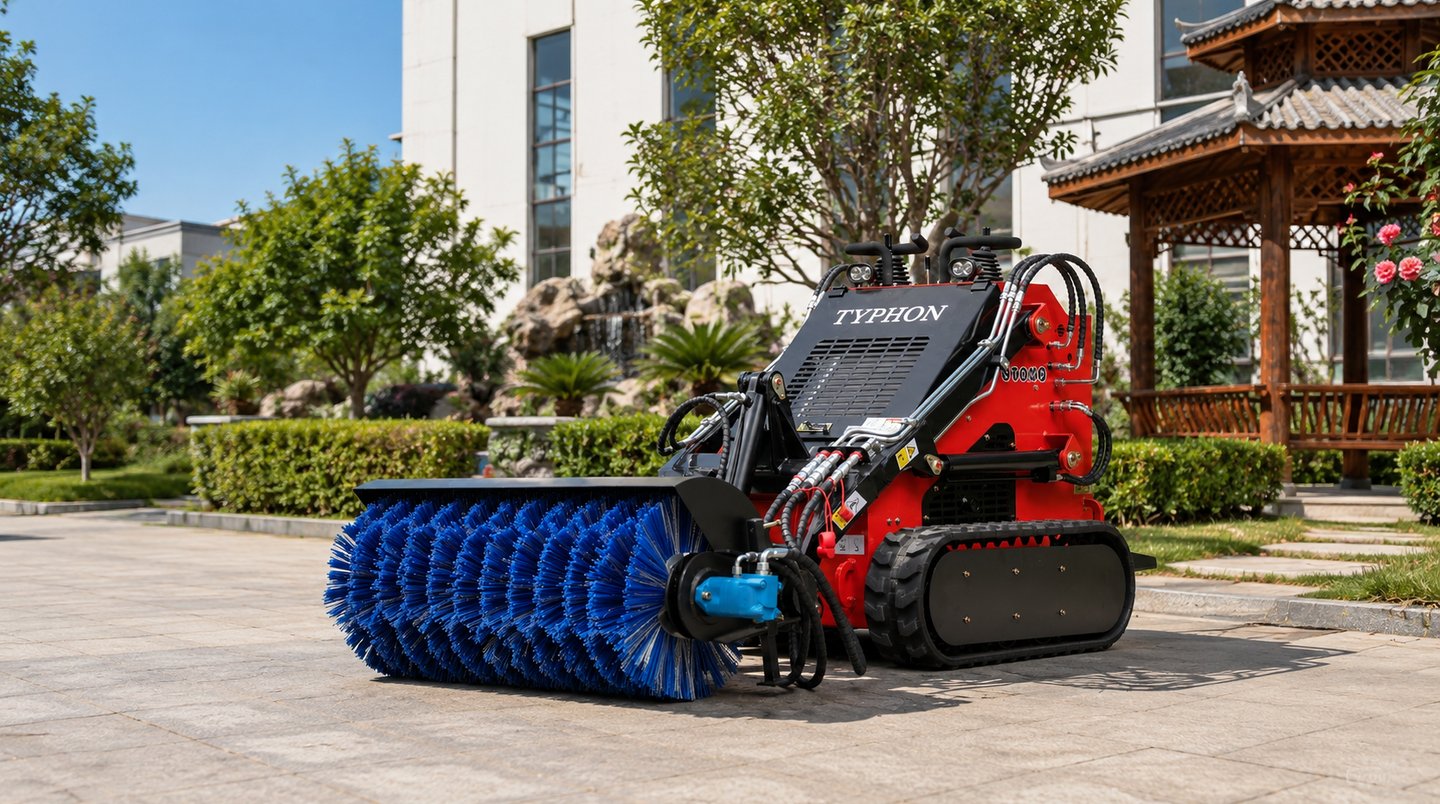
Purchasing heavy equipment requires a deep understanding of your daily operational needs and long-term financial goals. When you invest in a versatile machine, you expect it to deliver uncompromising reliability and continuous revenue generation. A skid steer loader provides an incredible foundation for this profitability, but the bare machine only represents a fraction of its true potential. To truly unlock the value of your fleet, you must approach your hydraulic tool selection with absolute strategic precision. The way different skid steer attachments industries deploy directly impacts their ability to stay ahead of strict project deadlines and protect their carefully managed profit margins.
Building a highly profitable contracting firm means moving beyond simply buying tools as needs arise. Successful business owners carefully analyze their industry workflows, anticipate seasonal shifts, and match their hydraulic attachments to the exact specifications of their base machines. This comprehensive guide provides the authoritative insights you need to build a deeply effective attachment strategy tailored specifically to your business type. We will explore how to navigate seasonal demands, calculate your return on investment, and ensure your operators have the exact mechanical advantage they require to exceed customer expectations every single day.
Evaluating Industry Workflows for Optimal Selection
Every commercial sector operates on a highly specific daily workflow that dictates exactly how materials and machinery must move across a job site. Understanding the unique rhythm of your business is the absolute first step in building a smart attachment strategy. You must carefully map out the sequence of tasks your crew performs from the moment they arrive on site until the final cleanup concludes. Identifying logistical bottlenecks and areas where manual labor drains your budget reveals exactly which attachments will provide the most immediate financial relief.
For heavy civil contractors, the workflow often involves aggressive earthmoving followed immediately by complex material handling. Securing a high-capacity dirt bucket and a set of heavy-duty pallet forks covers the vast majority of these sequential needs. Landscaping professionals face a completely different workflow, typically transitioning from rough grading to delicate soil preparation and final seeding. By equipping their machines with sophisticated power rakes and precision landscape graders, these crews maintain a continuous, highly productive rhythm without ever waiting on specialized rental equipment.
You must also consider the physical constraints of your typical work environments when mapping your workflow. A sprawling commercial development allows for massive attachments that process huge volumes of material quickly. However, residential contractors frequently navigate narrow property lines and fragile existing infrastructure. Selecting compact, highly maneuverable tools ensures your operators can maintain their productivity without risking devastating property damage to your clients' homes or commercial buildings.
Maximizing Return on Investment by Business Type
Heavy machinery attachments represent a significant capital expenditure, and every purchase must be justified by a clear, measurable return on investment. Calculating this financial return requires looking closely at how frequently a specific tool will actually be utilized within your primary business sector. A specialized cold planer might generate incredible revenue for a dedicated asphalt repair company, but it represents a massive waste of capital for a general residential contractor who only patches driveways twice a year.
To maximize your equipment budget, prioritize the acquisition of highly versatile core attachments that actively support your most frequent billable tasks. Once you secure the fundamental tools required to keep your business profitable, you can strategically rent highly specialized attachments for unique, one-off projects. This intelligent financial approach preserves your vital working capital while still allowing your company to bid on diverse and complex commercial contracts with total professional confidence.
You can further boost your return on investment by actively cross-training your operators to utilize these attachments efficiently. An attachment only generates revenue when it is actively engaged in the dirt. When your entire crew understands how to properly connect, operate, and maintain a wide variety of hydraulic tools, you eliminate costly job site downtime. This operational fluency ensures your machinery spends less time idling during tool changes and more time driving your overall company profitability forward.
Navigating Seasonal Demand with Versatile Tools
Many commercial sectors experience drastic operational shifts as the seasons change, threatening to leave expensive machinery sitting completely idle for months at a time. The most successful contracting firms refuse to let weather patterns dictate their annual revenue. By strategically leveraging the right hydraulic attachments, you can transform your base machine into a year-round production asset that continuously generates income regardless of the environmental conditions outside.
During the busy spring and summer construction seasons, earthmoving and material handling tools dominate the active job site. As the autumn months approach, property management firms and landscapers pivot entirely by deploying high-capacity light material buckets to manage massive volumes of fallen leaves and seasonal debris. This seamless mechanical transition ensures that your workforce remains highly productive and your equipment utilization rates stay exceptionally high even as your core business focus temporarily shifts.
The arrival of harsh winter weather offers a massive opportunity for contractors willing to adapt their attachment strategy. Equipping your skid steer with an oversized snow pusher box or a high-flow hydraulic snowblower opens up highly lucrative commercial snow removal contracts. Retail centers and municipal facilities demand absolute reliability to keep their properties safe and accessible during severe blizzards. By providing this vital year-round utility, you establish your company as an indispensable, deeply trusted partner within your local community.
The Science of Attachment Matching
Connecting a powerful hydraulic tool to your machine is not as simple as aligning the mounting plate and driving away. Achieving flawless, reliable performance requires a deep understanding of the exact mechanical and hydraulic specifications of your specific base machine. Every skid steer features a distinct lifting capacity, operating weight, and auxiliary hydraulic flow rate that must align perfectly with the engineering demands of the chosen attachment.
Operating an attachment that requires high-flow hydraulics on a standard-flow machine leads to sluggish performance, frequent stalling, and severe overheating of your internal fluids. Conversely, connecting a massive, oversized bucket to a compact machine completely destabilizes the equipment, creating a highly dangerous tipping hazard for your operator. You must meticulously review the manufacturer specifications for both the machine and the tool before finalizing any capital purchase.
We strongly encourage business owners to consult directly with their trusted equipment dealers to guarantee perfect mechanical compatibility. Professional equipment experts understand the nuanced relationships between hydraulic pressure, machine weight, and attachment performance. By relying on this authoritative guidance, you protect your expensive machinery from premature wear, prevent catastrophic job site accidents, and ensure your workforce always has the exact mechanical power they need to succeed.
Crafting an Industry-Specific Attachment Strategy
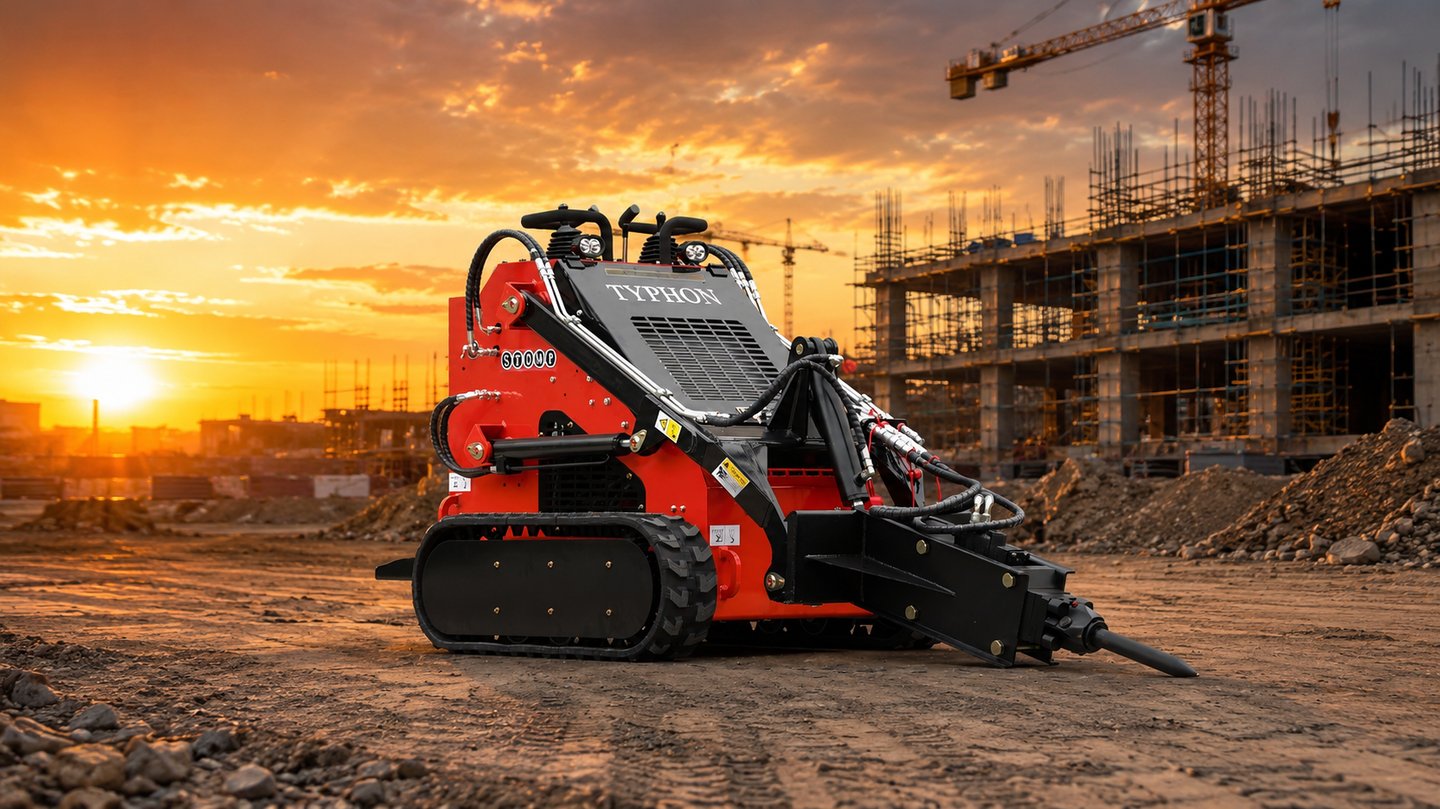
A truly effective attachment strategy is never a generalized, one-size-fits-all solution. It must be carefully crafted to support the unique demands and long-term growth objectives of your specific business type. A commercial demolition contractor builds their strategy around rugged durability and concentrated destructive power, prioritizing heavy hydraulic breakers and reinforced industrial scrap grapples. Their entire fleet management focus revolves around surviving highly abrasive, punishing environments while keeping their operators completely safe from falling debris.
Agricultural professionals must approach their strategy with an entirely different operational mindset. Their daily tasks involve navigating narrow barn aisles, managing heavy livestock feed, and maintaining sprawling rural property lines. An agricultural attachment strategy prioritizes deep foundational augers, specialized bale spears, and heavy-duty manure forks. These tools provide the incredible labor efficiency required to manage a massive commercial farm with a highly limited workforce, ensuring the property remains profitable and impeccably maintained.
Ultimately, your attachment strategy should evolve naturally alongside your contracting business. As you secure new clients and expand your service offerings, your heavy equipment must adapt to support those ambitious goals. Regularly audit your current fleet utilization and actively look for areas where manual labor is slowing down your daily progress. By continuously refining your tool selection based on hard data and proven industry workflows, you guarantee that your company remains an unstoppable, highly authoritative force in your market.
Conclusion
Securing the long-term profitability of your commercial enterprise requires demanding continuous, unrelenting value from your heavy equipment fleet. You simply cannot afford to let expensive machinery limit your operational capabilities or dictate the types of contracts you can successfully execute. By strategically selecting the exact attachments required for your specific industry workflow, you empower your dedicated workforce to tackle complex logistical challenges with absolute professional confidence.
We encourage you to carefully evaluate your upcoming project pipeline and identify exactly where specialized hydraulic tools could instantly streamline your daily operations. Pay close attention to your seasonal demands, match your attachments flawlessly to your machine specifications, and always prioritize a measurable return on investment. By transforming your standard skid steer into a highly targeted, multi-use production asset, you protect your carefully managed working capital and guarantee the lasting success of your growing business.
Explore our wide range of mini excavators for sale.
Company
© 2026. New Mini Excavator, All rights reserved.

Privacy Policy | Terms and Conditions
Follow us now
Support
For Inquiries
2522 S Malt Ave. Commerce, CA 90040
United States
Our Location
Tel:
+1-213-214-2203
+1 626-389-2472
Email:
-sales@typhonmachinery.com
-support@typhonmachinery.com