Why Equipment Downtime Costs More Than You Think
Discover the hidden equipment downtime costs destroying your profit margins. Learn actionable strategies to maximize equipment uptime and keep projects on track.
4/1/20265 min read
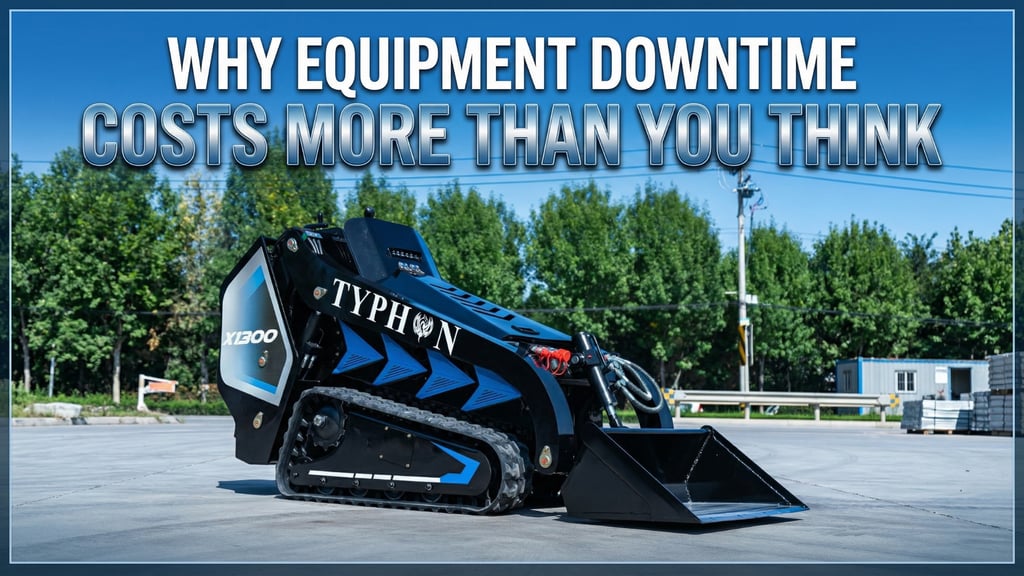
Nothing drains the momentum of a successful job site faster than the sudden, unexpected silence of a broken machine. When an excavator or skid steer engine stalls or a loader blows a hydraulic hose, work grinds to an immediate halt. Many contractors simply look at the invoice from the mechanic and assume that the number represents the total financial damage. This assumption is a dangerous miscalculation.
The invoice for replacement parts and emergency labor is merely the tip of the iceberg. The true equipment downtime costs reach much deeper into your business operations, quietly siphoning away your hard-earned profit margins. Understanding these hidden expenses is the first step toward building a more resilient, highly profitable contracting business.
This guide will uncover the real financial impact of idle heavy machinery. We will explore how sudden breakdowns lead to cascading project delays, inflated labor expenses, and severe damage to your professional reputation. Most importantly, we will provide you with authoritative, actionable strategies to reduce construction delays and maximize equipment uptime across your entire fleet.
The True Financial Impact of Idle Machinery
When you calculate the cost of a mechanical failure, you must look far beyond the physical repair. A broken machine creates a massive financial vacuum on your job site. Every minute that equipment sits idle, you actively lose money across multiple operational categories.
To protect your bottom line, you must understand exactly where these financial leaks occur. Evaluating the full scope of equipment downtime costs allows you to make smarter, more strategic decisions regarding fleet management and preventative care.
Lost Productivity and Wasted Labor
Your heavy machinery dictates the pace of your entire operation. When a primary earthmover goes down, the crew members who depend on that machine suddenly have nothing to do. However, you are still legally obligated to pay their hourly wages.
You end up paying highly skilled operators and ground workers to stand around waiting for a mechanic to arrive. This wasted labor rapidly consumes the profit margin you built into your original project bid. Furthermore, when the machine finally runs again, your crew must work exhausting overtime hours just to catch up to the original schedule. Paying time-and-a-half wages to recover lost progress is a direct, hidden cost of poor equipment reliability.
Exponential Emergency Repair Expenses
Reactive maintenance always costs significantly more than preventative care. When a machine breaks down unexpectedly in the middle of a critical dirt pour, you cannot afford to wait for standard shipping on replacement parts. You are forced to pay exorbitant overnight shipping fees to get the components to your shop.
Additionally, you must often pay emergency dispatch fees to bring a mobile mechanic out to your location. These emergency rates are drastically higher than standard shop labor rates. A worn hydraulic hose that would have cost a hundred dollars to replace during a routine weekend inspection suddenly transforms into a thousand-dollar emergency repair.
How Breakdowns Sabotage Your Business Reputation
The financial damage of a broken machine extends well beyond the immediate cash flow of a single project. Your business thrives on its professional reputation. Clients hire you because they trust you to deliver exceptional results on a strict timeline.
When mechanical failures become a recurring theme on your job sites, that hard-earned trust evaporates rapidly. Protecting your brand's integrity requires you to view equipment reliability as a core component of your customer service strategy.
The Ripple Effect of Project Delays
Construction projects operate on incredibly tight, heavily interdependent schedules. Your site preparation work must finish before the concrete foundation crew can begin. If your fleet suffers a major breakdown, you push your own completion date back, which subsequently delays every single subcontractor scheduled behind you.
These cascading project delays create massive logistical headaches for the general contractor or property developer. They must scramble to reschedule deliveries, extend equipment rentals, and manage frustrated secondary crews. When you become the bottleneck that stalls the entire development, project managers will strongly hesitate to award you future contracts.
Damaging Long-Term Client Relationships
Trust is the most valuable currency in the contracting industry. When you promise a client that a job will be finished by Friday, they build their own financial plans around that commitment. Failing to meet deadlines due to poor equipment management signals a lack of professional organization.
Clients rarely care why a project is delayed; they only care that their expectations were not met. Consistent mechanical failures erode your authority and reliability in the eyes of the customer. Over time, this loss of confidence leads to fewer word-of-mouth referrals, negative public reviews, and a rapidly shrinking pipeline of upcoming bids.
Actionable Strategies to Maximize Equipment Uptime
Preventing these hidden costs requires a shift in your operational mindset. You must transition from a reactive approach—fixing things only after they break—to a deeply proactive fleet management strategy.
By implementing strict daily protocols and investing in the right resources, you can drastically reduce construction delays. Here are the most effective strategies to keep your machinery running flawlessly and your projects on schedule.
Implement Rigorous Preventative Maintenance
The foundation of equipment reliability is a non-negotiable preventative maintenance schedule. You must service your machinery exactly as the manufacturer dictates. Do not attempt to stretch the hours between oil changes or hydraulic filter replacements to save a few dollars.
Require your operators to perform comprehensive daily walkaround inspections before turning the ignition key. They should check for fresh fluid leaks, inspect the tracks or tires for severe damage, and verify that all grease points are adequately lubricated. Catching a loose belt or a chafed hose during a morning inspection takes twenty minutes to fix. Ignoring it guarantees a catastrophic failure later that afternoon.
Invest in Professional Operator Training
Operator error is a leading cause of premature equipment failure. An untrained or careless operator constantly pushes the machine beyond its engineered limits. They slam the hydraulic cylinders, spin the tracks unnecessarily, and overheat the diesel engine by ignoring the dashboard warning lights.
Investing in comprehensive operator training pays massive dividends in mechanical reliability. Teach your crew how to operate the machinery smoothly and efficiently. When operators understand how to use the machine's natural leverage rather than relying purely on raw engine power, they drastically reduce the physical strain on the equipment. A skilled operator is your best defense against unexpected breakdowns.
Commit to Reliable, High-Quality Machinery
No amount of maintenance can save a machine that has simply reached the end of its useful life. Holding onto aging, dilapidated equipment is a terrible financial strategy. As machines age, their components naturally degrade, leading to highly unpredictable, frequent failures.
To truly maximize equipment uptime, you must build your fleet with high-quality, dependable machinery. Track your maintenance expenses closely. When the cost of keeping an old machine running begins to rival the monthly payment of a new asset, it is time to upgrade. Modern equipment features advanced diagnostics, superior fuel efficiency, and robust warranties that provide total peace of mind on the job site.
Conclusion
Equipment downtime costs far more than just the price of a replacement part. It eats into your profits through lost labor hours, causes major project delays, and can seriously damage your reputation. Understanding these hidden costs is essential if you want to run a strong, competitive contracting business.
The good news is you can stay ahead of it. By focusing on proactive fleet management, you can avoid the stress and disruption of unexpected breakdowns. Simple steps like regular maintenance, proper operator training, and upgrading outdated equipment can go a long way in reducing delays and protecting your bottom line.
Take some time this week to review how you’re managing your equipment. Check your maintenance records and talk with your operators about how your machines are performing day to day. Catching problems early—and replacing unreliable equipment when needed—helps keep your crew productive, your projects on schedule, and your business moving forward with confidence.
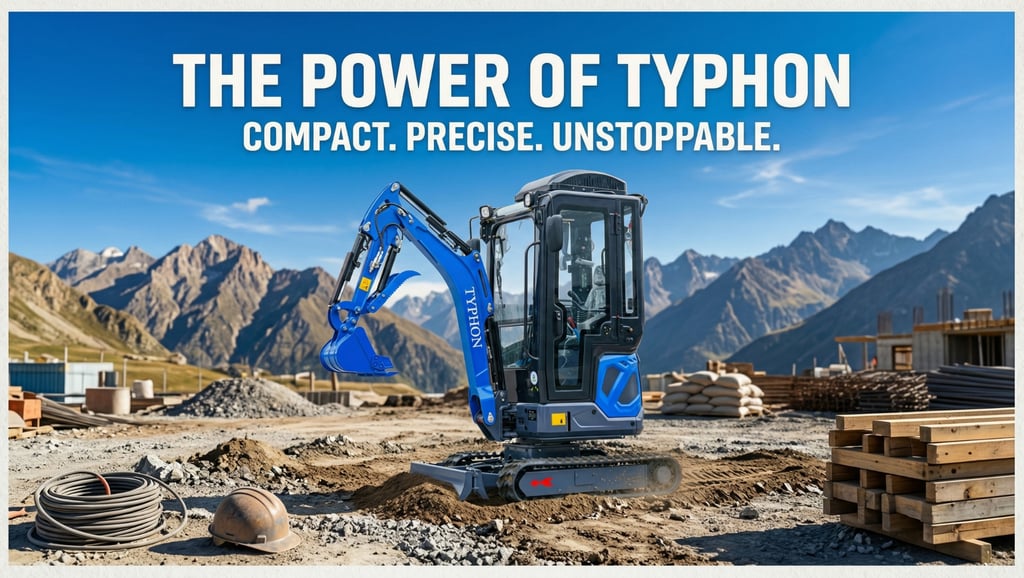
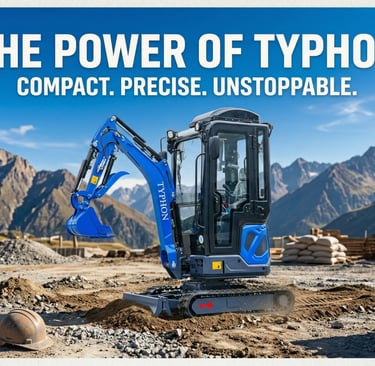
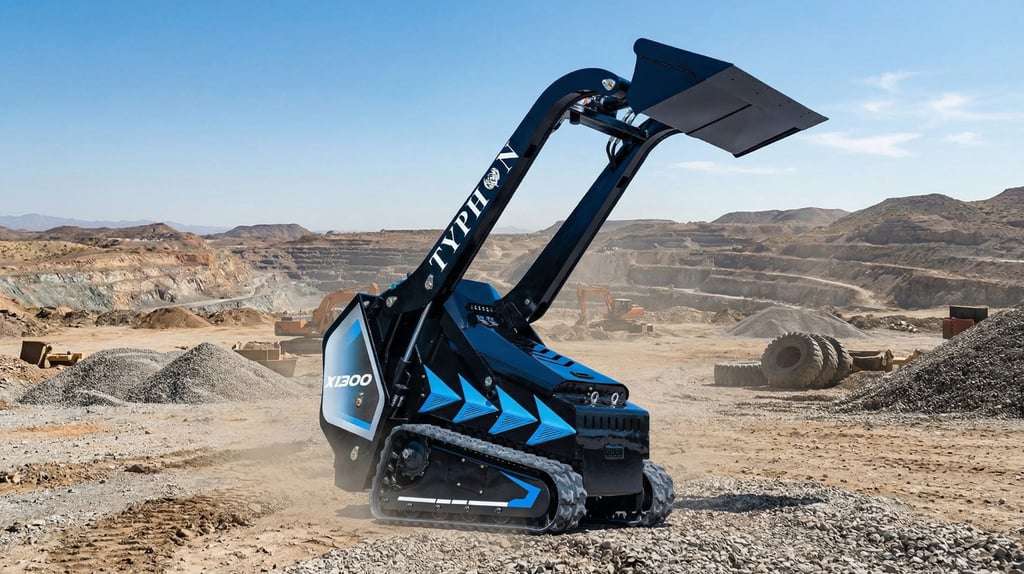
Explore our wide range of mini excavators for sale.
Company
© 2026. New Mini Excavator, All rights reserved.

Privacy Policy | Terms and Conditions
Follow us now
Support
For Inquiries
2522 S Malt Ave. Commerce, CA 90040
United States
Our Location
Tel:
+1-213-214-2203
+1 626-389-2472
Email:
-sales@typhonmachinery.com
-support@typhonmachinery.com